
Converting Waste and Renewables into Usable Fuels
Renewable energy, waste biomass, and CO₂ emissions can be converted into usable fuels and gases. Methanation converts hydrogen and CO₂ into methane (synthetic natural gas). Biofuel production uses catalysts to upgrade bio-oils and waste streams.
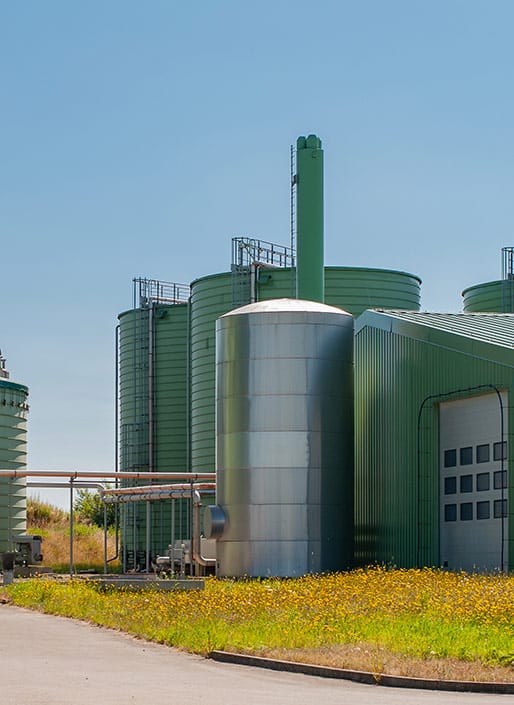
ALSYS Catalysts provides methanation and biofuel production systems enabling these conversions for renewable energy developers, waste-to-energy facilities, and chemical plants.
With experience in European power-to-gas and biofuel projects, ALSYS is developing catalyst solutions from feasibility testing through commissioning.
Renewable Fuel Production Technology
ALSYS catalyst systems are designed for reliable performance in renewable fuel applications. Systems combine proven methanation and upgrading catalysts with complete process integration required for power-to-gas and biofuel facilities.
High Conversion Efficiency
Methanation catalysts achieving greater than 95% CO₂ conversion to methane for power-to-gas applications.
Flexible Feedstock Handling
Catalysts tolerating variable feedstock composition typical of waste streams and renewable sources, including biomass, municipal solid waste, and industrial waste.
Proven Durability
Catalyst formulations maintain performance over years of operation in renewable fuel applications.
Complete Process Integration
Complete system engineering integrating with upstream gasification or electrolysis and downstream gas treatment or fuel upgrading.
Catalyst Systems for Renewable Fuel Production
ALSYS Catalysts enable synthetic natural gas production and biofuel upgrading from renewable and waste sources.
Overview
Methanation converts hydrogen and CO₂ (or CO) into methane. Applications include power-to-gas energy storage, biogas upgrading, and industrial gas conversion. Technology enables the injection of renewable energy into existing natural gas infrastructure.
Power-to-gas facilities use electrolysis to convert excess renewable electricity into hydrogen, then catalytic methanation to combine hydrogen with captured CO₂ to produce synthetic natural gas (SNG). Gas is injected into the natural gas grid to provide long-duration energy storage.
For renewable energy developers, power-to-gas helps address curtailment when generation exceeds grid capacity—energy stores as SNG rather than being wasted.
ALSYS’ Track Record
Methanation catalysts achieve greater than 95% CO₂ conversion to methane under varying operating conditions, operate at 250-400°C, manage exothermic heat release, and handle varying hydrogen and CO₂ feed compositions from different sources.
Systems supplied for power-to-gas demonstration facilities in Europe, industrial methanation for waste CO₂ utilization, and biogas upgrading facilities converting CO₂ to an additional methane product.
Catalyst formulations address the specific challenges of power-to-gas, including load-following operation, startup/shutdown cycling, and integration with intermittent renewable generation.
Related Solutions
Related Markets
Overview
Biomass gasification or pyrolysis produces bio-oils and synthesis gas, which require upgrading to meet transportation fuel specifications. Catalytic processing converts these intermediate products into gasoline, diesel, or jet fuel meeting fuel standards.
Applications include fast pyrolysis bio-oil upgrading, gasification syngas conversion to liquid fuels (Fischer-Tropsch), and waste-to-energy facilities producing renewable fuels from municipal solid waste or industrial waste streams.
For biofuel producers, catalyst performance determines yield, product quality, and operating costs. Catalysts must handle biomass-derived feedstocks containing impurities (oxygen, sulfur, nitrogen) not present in petroleum refining.
ALSYS’ Track Record
Catalysts for biofuel upgrading include:
- Deoxygenation catalysts remove oxygen from bio-oils to meet fuel specifications.
- Hydrotreatment catalysts remove sulfur and nitrogen contaminants.
- Custom formulations for specific feedstocks and product requirements
Applications span biofuel facilities processing wood biomass, agricultural residues, and municipal solid waste. Catalyst formulations explicitly developed for biomass-derived feedstocks address the impurities and operating conditions that differ from those in petroleum processing.
For facilities producing renewable diesel or sustainable aviation fuel, catalyst systems enable production meeting specifications.
Questions About Synthetic Fuels and Gas Production
Below are some of the most frequently asked questions regarding pervaporation technology, its benefits, and how the Hybsi® membranes from ALSYS deliver superior performance in challenging separation applications.
Economics depend heavily on electricity cost, natural gas prices, and carbon credits. Current economics are challenging but improving as technology matures and policy support increases.
First commercial projects in Europe rely on:
- High renewable gas credit values (renewable natural gas RINs)
- Grid service revenues (frequency regulation, load balancing)
- Avoided curtailment costs for renewable generators
- Carbon credit revenues from CO₂ utilization
As electrolysis costs fall (due to the learning curve from the hydrogen economy buildout) and carbon pricing increases, economics improve. Projects in development target a 2025–2030 timeframe for commercial viability without subsidies.
For renewable energy developers with significant curtailment, power-to-gas can monetize energy that would otherwise be wasted.
Lifecycle carbon intensity depends on energy and carbon sources:
- Power-to-gas with renewable electricity and captured CO₂ from air or biogenic sources: Near carbon-neutral. CO₂ released when fuel is burned was previously captured.
- Biofuels from waste biomass: Can be carbon-negative if biomass would otherwise decompose, releasing methane (23x worse than CO₂ as greenhouse gas).
- Biofuels from dedicated energy crops: Carbon intensity depends on land use change, agricultural inputs, and processing energy.
- Synthetic fuels using fossil-derived CO₂ and grid electricity: May not provide significant carbon reduction versus fossil fuels.
Regulatory frameworks set specific methodologies for calculating carbon intensity and determining credit eligibility.
3–5 years for well-designed systems under steady operation. Power-to-gas facilities operating in load-following mode may experience shorter lifetimes due to thermal cycling and startup/shutdown stresses.
Catalyst deactivation mechanisms include:
- Sintering from high-temperature operation or poor heat management
- Coking from improper operating conditions
- Poisoning from sulfur or other contaminants in the feed gas
- Mechanical breakdown from vibration or improper support
ALSYS catalyst formulations optimize thermal stability and poison resistance for renewable gas applications. Proper reactor design managing exothermic heat release is critical for catalyst life.
For commercial facilities, catalyst replacement is scheduled maintenance. Replacement catalysts match original specifications, and changeout typically requires a 2–3 day outage.
Two main approaches:
- CO₂ removal: Remove CO₂ from biogas (typically 50-70% CH₄, 30-50% CO₂) to produce high-purity methane (>95% CH₄). Technologies include membrane separation, pressure swing adsorption, amine scrubbing, or water scrubbing.
- CO₂ conversion (methanation): Convert CO₂ plus added hydrogen into additional methane. Increases methane yield and can improve project economics if hydrogen is available at low cost (e.g., from renewable electricity).
ALSYS methanation catalysts enable CO₂ conversion. Economics depend on hydrogen cost and renewable natural gas credit values. For facilities with access to low-cost renewable electricity for electrolysis, methanation can improve returns versus CO₂ removal alone.
Find the Right Solution for Your Renewable Fuel Production Requirements
Discuss your synthetic fuel or gas application with our renewable fuels team.