
Food-Grade Membrane Filtration
Food and beverage processing requires membrane systems that deliver consistent quality while meeting sanitary standards and surviving daily CIP cycles.
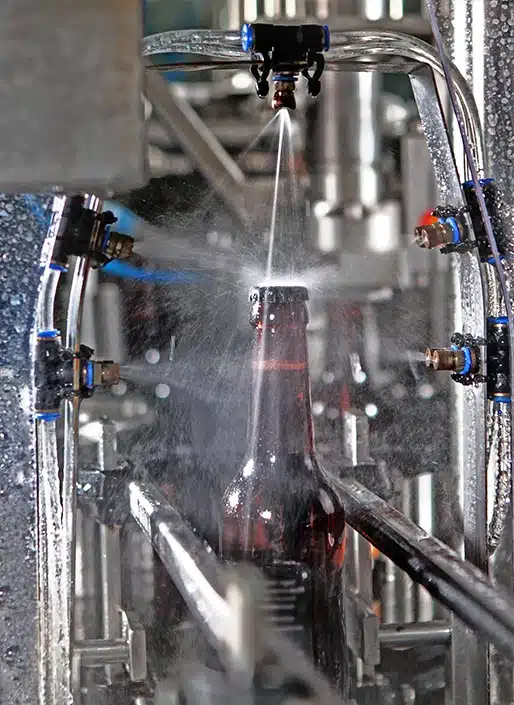
ALSYS Membranes provides ceramic Kleansep™ systems for clarification, concentration, and purification across dairy, beverages, fermentation, and food ingredients. Systems combine filtration performance with sanitary design and validated cleaning protocols.
With decades of experience, ALSYS delivers membrane solutions from feasibility testing through commissioning. ALSYS Engineering provides procurement, construction management, and startup support. Combined, this provides complete value chain coverage from technology selection through operational handover.
Food Processing Membrane Solutions
ALSYS membrane systems are designed for reliable performance in food processing environments. Systems combine filtration capabilities with sanitary design and validated cleaning protocols required for food and beverage applications.
Food-Contact Materials
Membrane materials, housings, gaskets, and wetted parts meet food-contact requirements. Material certifications and traceability are available for regulatory compliance.
Sanitary Design
Systems feature proper drainage, appropriate surface finishes, and the elimination of dead legs to enhance cleanability.
Cold Processing
Crossflow filtration at controlled temperatures preserves heat-sensitive flavors, aromas, and nutrients without thermal degradation.
Validated CIP
Automated clean-in-place with monitoring of temperature, concentration, and contact time ensures consistent cleaning protocols.
Membrane Filtration Solutions for Food Processing
ALSYS Membranes are engineered to meet the unique demands of different food and beverage sectors. Our solutions are applied across various stages, including clarification, concentration, and purification, to ensure product quality and operational efficiency.
Overview
Beverage clarification traditionally involves the use of fining agents, filter aids, and extended settling time. Membrane filtration offers a superior alternative by providing cold clarification and microbial stabilization.
This modern technology eliminates the need for fining agents and filter aids, thereby reducing processing time and enabling consistent product quality. Furthermore, membrane filtration’s cold-pressurization capability effectively preserves delicate flavor profiles.
ALSYS’ Track Record
ALSYS has a strong track record, with successful installations in wine production, demonstrating the reliability of its membrane systems in preserving quality and ensuring microbial stability. Beyond wine, the technology’s applications extend to essential beverage segments, including both juice and beer clarification. This wide-ranging success highlights the flexibility and effectiveness of the systems across various liquid food and beverage streams.
The Kleansep™ ceramic polymeric systems are specifically designed to preserve delicate flavor profiles, achieved through cold-processing methods that avoid thermal degradation. Furthermore, these systems deliver microbiologically stable products by efficiently removing microorganisms without the need for traditional fining agents or filter aids. This combined approach of quality preservation and consistent purification ensures product integrity and extends shelf life for a variety of beverages.
Related Solutions
Related Markets
Overview
Fermentation processes for the production of enzymes, organic acids, amino acids, and specialty ingredients generate broths containing cells, cell debris, and insoluble material that must be removed before downstream purification. Traditional methods for this clarification, such as rotary vacuum filters, require the use of filter aids, which creates additional disposal requirements. While centrifuges offer separation, they are known to require maintenance. Ceramic membrane filtration offers a superior method, as it can remove all cells and debris without the use of filter aids.
The Kleansep™ systems from ALSYS operate in facilities with GMP documentation for pharmaceutical and industrial biotech fermentation applications. These membranes can achieve complete cell removal while ensuring high product recovery. Furthermore, the systems are designed to survive repeated sterilization and aggressive chemical cleaning protocols required for consistent, reliable operation.
ALSYS’ Track Record
Ceramic membrane filtration, specifically using Kleansep™ systems, offers a superior method for clarifying fermentation broths by effectively removing all cells and debris without the need for traditional filter aids. This not only streamlines the process by eliminating consumable costs, storage requirements, and waste-handling requirements associated with materials like diatomaceous earth, but also ensures predictable, repeatable retention performance for more consistent filtration results.
These Kleansep™ systems are engineered to operate in facilities requiring stringent quality standards, including those with GMP documentation for pharmaceutical fermentation applications. The membranes have been proven to provide complete cell removal while maintaining a high product recovery rate. Furthermore, their robust design allows the systems to survive repeated sterilization cycles and aggressive chemical cleaning protocols, ensuring consistent, reliable, and continuous operation in demanding environments.
Questions About Food & Beverage Membrane Systems
Below are answers to the most common questions about ALSYS membrane systems for food and beverage processing. These questions address key topics such as compliance, operations, cleaning protocols, and product quality improvements.
Our polymeric membranes are manufactured using materials that meet established food-contact regulations, and complete material certifications and traceability documentation are provided. The systems themselves are engineered to sanitary design standards, which include features such as proper drainage, appropriate surface finishes, sanitary fittings, and construction that is fully cleanable.
Yes. Membrane filtration can fully replace traditional filter aids such as diatomaceous earth, perlite, and cellulose pads. Using membranes eliminates the consumable costs, storage needs, and waste-handling requirements associated with these materials. In addition, membrane filtration delivers more consistent filtration results than filter-aid-based processes because membranes maintain predictable, repeatable retention performance.
Systems are cleaned using automated CIP skids that execute complete, validated cleaning sequences. These sequences include a pre-rinse, a caustic wash, an acid wash, and final sanitization. Throughout the process, key parameters, including temperature, chemical concentration, contact time, and flow rates, are automatically controlled and logged to ensure repeatability. All cleaning parameters are documented to support quality records and regulatory audits.
Typical improvements include better flavor preservation through cold-processing methods that avoid thermal treatment. Users also see higher and more consistent batch-to-batch product quality and longer shelf life as a result of microbiological removal achieved through membrane filtration.
Find the Right Solution for Your Food Processing Requirements
Contact our food and beverage team regarding your processing requirements.