
Preparing for the Next Generation of Low-Carbon Chemistry
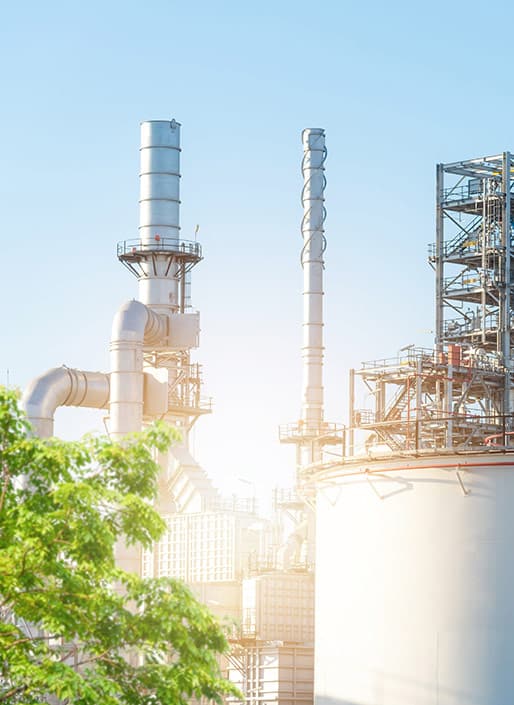
Are you ready to meet rising energy intensity, tightening regulations, and mounting pressure to reduce your carbon footprint? ALSYS is developing next-generation catalyst families that enable emerging decarbonization pathways vital to your business, including CO₂ conversion into valuable molecules and hydrogen vectorization via the ammonia cracking process. Our stable, selective, and long-life catalytic systems are the foundation for the new reaction routes you need to achieve your low-carbon goals.
Our R&D model supports both near-term commercial needs and long-term innovation. One branch of the team partners directly with business developers and customers to solve real-world technical challenges. The other focuses on forward-looking research, developing catalytic technologies with external partners to prepare for future markets. This partnering culture is central to how ALSYS builds credibility and accelerates development.
Where ALSYS Creates the Most Value in the Energy Transition
ALSYS focuses on catalytic innovations that sit at the intersection of emissions reduction and low-carbon process development. Our technologies help you proactively prepare for evolving regulatory requirements and emerging decarbonization pathways, giving you a competitive advantage.
CO₂ Valorization and New Reaction Pathways
Catalytic materials under development for CO₂-to-methane, syngas, and intermediates used in downstream chemical processing.
Ammonia Cracking for Hydrogen Vectorization
Catalysts engineered to selectively crack ammonia and release hydrogen for transport and use in low-carbon systems and NH3/H2-fueled engines.
Advanced Materials Innovation
Catalyst development programs exploring new material families – including selected rare-earth components.
Emerging Catalytic Technologies for the Energy Transition
Industrial operators are under growing pressure to decarbonize, manage CO₂ streams, and incorporate hydrogen into long-term strategies. Your success in these pathways relies on catalytic systems that maintain selectivity, stability, and activity at industrial temperatures and pressures. ALSYS' development programs focus on delivering those capabilities to you. We are rapidly progressing from laboratory work toward pilot readiness, ensuring you have a proven solution as global demand matures.
Overview
ALSYS develops catalytic materials that enable the conversion of CO₂ into valuable molecules, including methane (methanation), syngas (Reverse Water-Gas Shift Reaction), and intermediates used in downstream chemical processes. These reaction routes help operators pursue lower carbon intensity while preparing for long-term decarbonization strategies.
Formulations emphasize selectivity, thermal stability, and consistent performance under real industrial conditions.
ALSYS’ Track Record
ALSYS Catalysts has decades of experience designing and supplying catalysts for industrial chemical processes, supported by in-house evaluation, diagnostics, and development facilities. Building on this foundation, our CO₂ valorization programs are advancing toward pilot-scale readiness, with structured development roadmaps aligned to the pace of global market adoption.
Overview
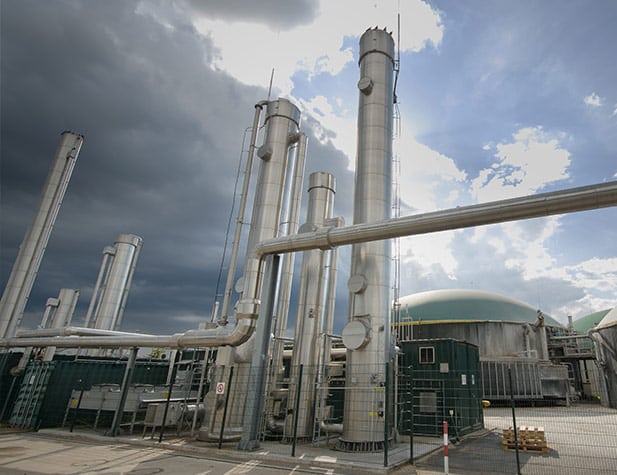
Ammonia cracking is a key pathway for transporting and releasing hydrogen in future low-carbon systems. ALSYS develops catalysts that selectively break down ammonia into hydrogen and nitrogen, maintaining activity at lower temperatures and lower energy consumption.
These systems support emerging hydrogen-transport strategies where reliability and energy efficiency are critical.
ALSYS’ Track Record
ALSYS’ R&D teams work in partnership with industrial collaborators and technology developers to evaluate catalytic pathways for ammonia cracking, progressing from lab-scale testing toward future pilot opportunities.
Current development focuses on catalyst stability, optimized surface chemistry, and activation behavior that supports long-term operation.
Overview
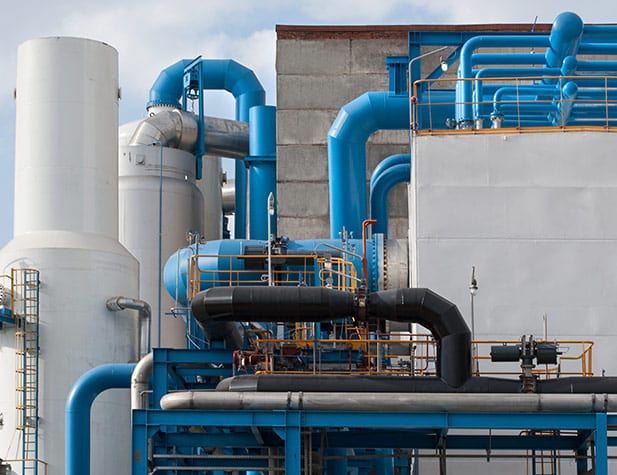
Many industrial reactions require high temperatures or extended residence times, resulting in significant energy demand. ALSYS’ catalyst development programs investigate materials, supports, and surface chemistries that can promote reaction activity at lower operating temperatures. The objective is to identify catalytic architectures that maintain stability while reducing overall energy input, helping operators prepare for long-term efficiency requirements.
ALSYS’ Track Record
ALSYS has decades of experience designing catalysts for environmental and process applications where thermal stability, resistance to deactivation, and controlled reaction behavior are critical. This foundation informs current R&D programs focused on identifying new catalyst formulations, evaluating their performance under controlled laboratory conditions, and assessing scalability through pilot-level testing. Findings from these studies guide the development of catalyst families intended to support future energy-efficient process routes.
Frequently Asked Questions
These questions address how ALSYS approaches catalyst development for emerging low-carbon processes.
Catalysts enable the reaction pathways for CO₂ conversion, hydrogen production, and hydrogen release from carrier molecules, such as ammonia. ALSYS develops materials with rare-earth components that support selectivity, temperature stability, and activity retention under industrial operating conditions. These catalysts form the backbone of future low-carbon process technologies.
Catalyst families for CO₂ valorization and hydrogen pathways are currently progressing to commercialization. The roadmap anticipates industrial-scale opportunities within the coming years as global demand, regulatory pressure, and process economics continue to evolve.
ALSYS explores advanced material systems to improve activity, stability, and energy efficiency in emerging low-carbon reactions. This includes select programs incorporating rare-earth components, evaluated to determine whether they provide a technical advantage, but not as the central focus of development.
Yes. We welcome collaboration with technology developers, EPCs, and operators seeking catalytic solutions for emerging low-carbon processes. We routinely co-develop catalysts with major industry partners and can support feasibility studies, lab testing, and pilot evaluations.
ALSYS Catalysts provides SCR systems for NOₓ reduction, catalysts for N₂O decomposition, oxidation catalysts for VOC and CO treatment, and catalysts for ozone/hydrogen peroxide decomposition for aerospace, pharmaceutical, and industrial applications. These solutions are backed by decades of experience and in-house diagnostic and regeneration expertise.
Explore Solutions from the Forefront of Innovation
ALSYS continues to advance the catalyst and materials innovations that will enable the next generation of low-carbon processes, giving you the edge.