
The Next Generation of Liquid Treatment with ALSYS Ceramic Membranes
Conventional treatment methods struggle with industrial wastewater containing oil and grease, suspended solids, and heavy metals.
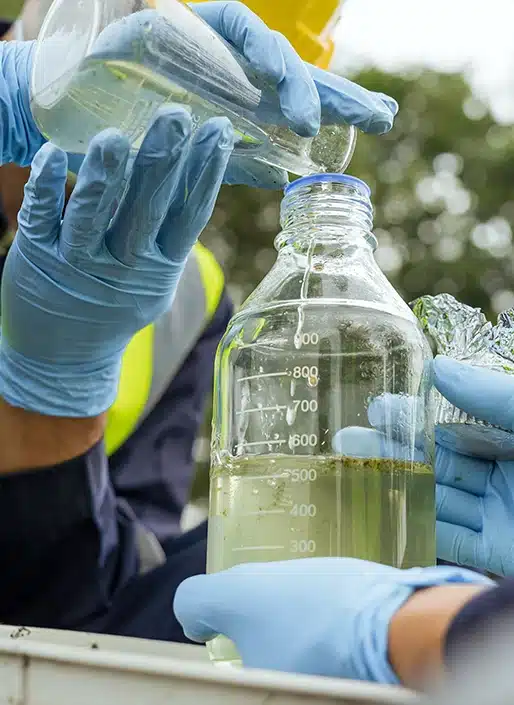
ALSYS’ ceramic membrane filtration systems operate in conditions where polymeric membranes cannot maintain reliable performance. Designed to withstand extreme pH levels, solvent applications, temperatures up to 212°F (100°C), and aggressive cleaning protocols, our Kleansep™ and CeraMem® technologies work seamlessly in every environment.
With more than 30 years of experience and more than 500 installations worldwide, ALSYS delivers proven treatment solutions from feasibility testing through commissioning. From technology selection through operational handover, our engineering, procurement, construction management, and start-up support helps reduce project risk, accelerate deployment, and elevate lifecycle system performance from day one.
Proven Industrial Treatment Capabilities That Make A Difference
ALSYS’ membrane systems are designed for reliable performance in your most demanding industrial environments, our ceramic and polymeric technologies handle extreme conditions where conventional filtration cannot maintain consistent performance.
Relentless Durability
Our ceramic membranes withstand extreme pH levels and temperatures above 212°F (100°C), with a typical lifespan of 5-20 years, minimizing replacement costs and downtime.
Consistent Quality
Physical barrier filtration removes suspended solids and oil to levels of 0.5-1 ppm, with recovery rates of 90-95%, ensuring consistent output for your process, regardless of feed variability.
Compact Design
Our ceramic membranes are designed to deliver more flux than polymeric membranes.
Turnkey EPCM Delivery
Our project work is characterized by expertise in problem scoping, solution development, project delivery, and the use of proprietary technology.
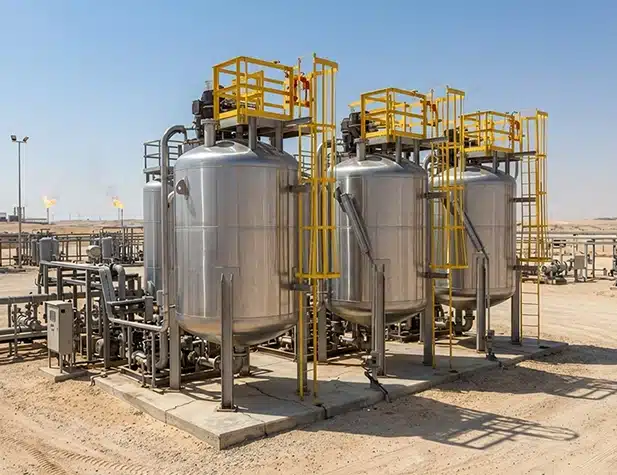
California Produced Water Treatment: 50,000 BPD at 160°F (71°C)
ALSYS installed a 50,000-barrels-per-day ceramic membrane system treating 160°F (71°C) produced water in California. Commissioned in 2012, it uses 228 custom abrasion-resistant membranes engineered for high-solids conditions to consistently meet once-through steam generator feed specifications for enhanced oil recovery.
Your Water Challenges, Solved
ALSYS’ ceramic membranes deliver reliable performance where conventional technologies fail.
Application Overview
Oil and gas operations generate produced water containing oil, suspended solids, metals, and treatment chemicals. The water may require treatment for disposal, reuse in operations, reinjection for enhanced recovery, or discharge to the environment.
Treatment challenges include variable water quality, high suspended solids, temperatures exceeding 160°F (71°C) in steam flood operations, and emulsified oils below 10 microns. Gravity separators and coalescers handle free oil but cannot reliably remove fine emulsions. ALSYS’ solutions overcome these challenges.
ALSYS’ Track Record
Our installation track record includes:
- California steam flood: 50,000 bpd system at 160°F (71°C), operating since 2012
- Utah water flood: 20,000 bpd system treating produced water for reinjection
ALSYS’ systems handle feed oil concentrations of 10-500+ ppm and suspended solids of 15-500+ ppm. Crossflow design maintains membrane performance through continuous surface scouring.
Overview
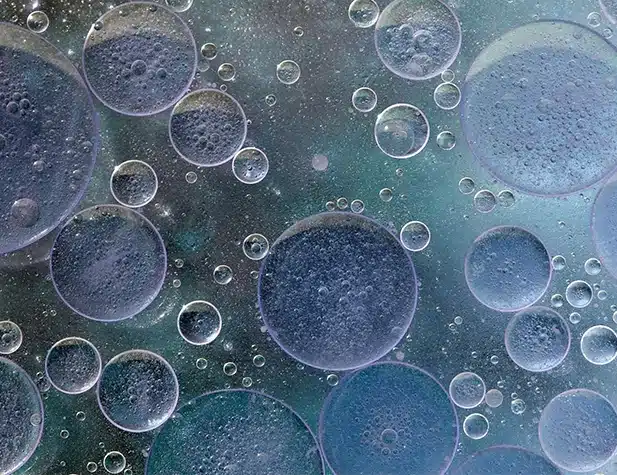
Steel and aluminum mills, metalworking and metal finishing facilities, and heavy manufacturing generate oily water that includes spent rolling emulsions, spent coolants, caustic degreasing solutions, and parts washing rinsewaters. The wastewater typically contains 50-500 ppm oil, suspended metal fines, and process chemicals.
Discharge permits may require oil removal to very low levels, often less than 10 ppm for discharge or less than 5 ppm for reuse applications. Gravity separators remove free oil but cannot break stable emulsions. Coalescers and media filters often show inconsistent performance or foul quickly in the presence of metal fines.
ALSYS’ Track Record
ALSYS’ ceramic ultrafiltration solutions remove oil and suspended solids in a single pass, consistently delivering 0.5–1 ppm oil in permeate regardless of how your feed changes day to day. With our Kleansep™ and CeraMem® membranes that tolerate high pH, residual detergents, and elevated temperatures, you get a system that stays online instead of drifting in performance.
Installations across steel and automotive metalworking plants show how this stability translates directly to your operation, including effluent quality you can trust for reuse or downstream treatment.
Application Overview
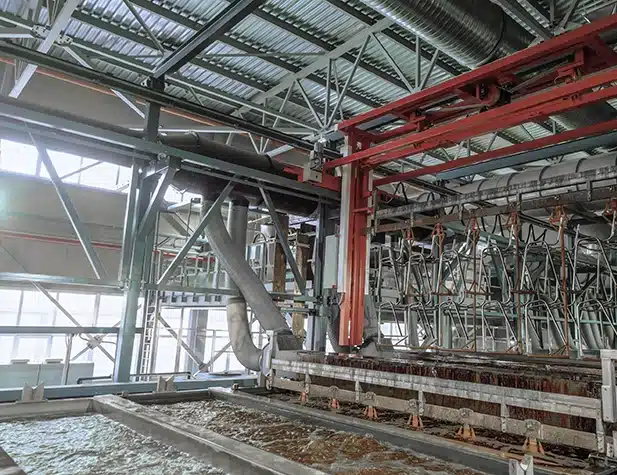
Electroplating, anodizing, and metal finishing generate wastewater containing dissolved metals (chromium, nickel, zinc, and copper) that require removal before discharge. Process baths, including alkaline degreasers, accumulate oils and metal fines that reduce cleaning effectiveness.
Traditional approaches include chemical precipitation for dissolved metals and frequent bath replacement for contaminated process fluids. Both methods generate substantial hazardous waste and ongoing chemical costs.
ALSYS’ Track Record
In process baths, ceramic ultrafiltration removes oils and fines, returning clean chemistry to the bath. ALSYS’ installations demonstrate bath-life extension of 5-10x compared to untreated baths, reducing downtime for changeouts and hazardous-waste generation.
ALSYS has 30+ years of experience in automotive degreasing applications. Kleansep™ systems operate at 60-80°C and pH 12-14.
Related Solutions
- Kleansep™ ceramic UF for high-temperature, high-pH applications and Persep™ polymeric UF for e-coat paint recovery
- Design-build
Related Markets
Application Overview
Commercial and industrial laundries generate wastewater containing suspended solids, oils, detergents, and biological contaminants. Water scarcity, rising costs, and environmental regulations drive demand for on-site treatment and reuse systems.
Ceramic membrane filtration provides treatment of these wastewaters, removing contaminants to enable water reuse in washing operations.
ALSYS’ Track Record
Ceramic membrane systems for commercial laundry operations include treatment for on-site reuse and systems handling variable loads typical of batch laundry operations.
Application Overview
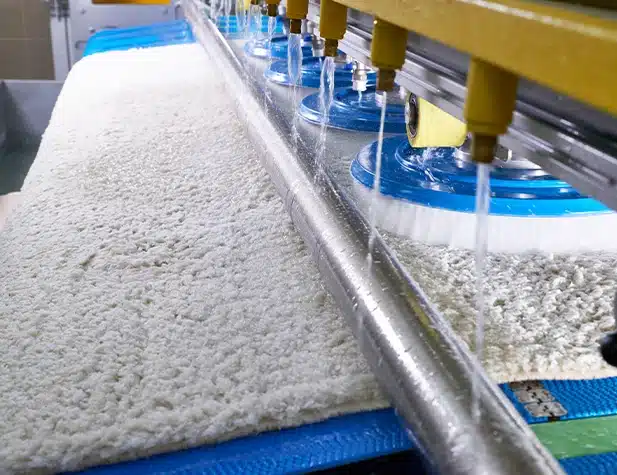
Textile processing generates colored, high-COD wastewater from dyeing, printing, and finishing operations. These wastewaters contain dyes, sizing agents, processing chemicals, and suspended solids.
Membrane filtration removes suspended solids and particulate dyes.
ALSYS’ Track Record
Our membrane systems treating textile wastewaters remove suspended solids and particulate contaminants from dyeing and finishing operations.
Application Overview
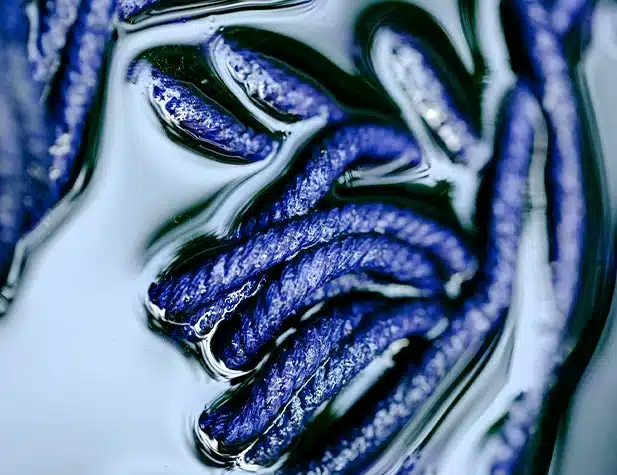
Many industrial processes require high-quality process water with low suspended solids, bacteria, and colloidal material. Membrane filtration provides final polishing to remove submicron particles and microorganisms.
Ceramic and polymeric ultrafiltration systems deliver consistent process water quality for manufacturing operations.
ALSYS’ Track Record
With over 30 years of experience and more than 500 references worldwide, ALSYS provides membrane solutions for diverse process water requirements.

Application Overview
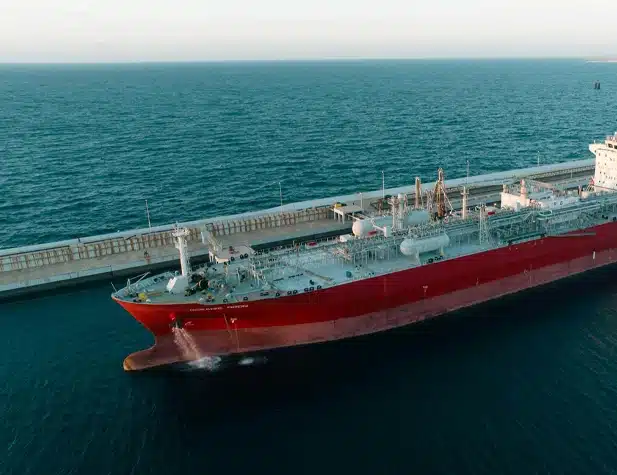
Ships generate bilge water containing oil, fuel, lubricants, and seawater from machinery spaces. Maritime regulations require treatment before discharge. Ceramic membrane systems reliably achieve required oil removal.
Compact ceramic membrane systems designed for marine environments provide reliable treatment with minimal operator intervention.
ALSYS’ Track Record
Marine bilge water treatment systems include ceramic membrane systems for shipboard installation.
Application Overview
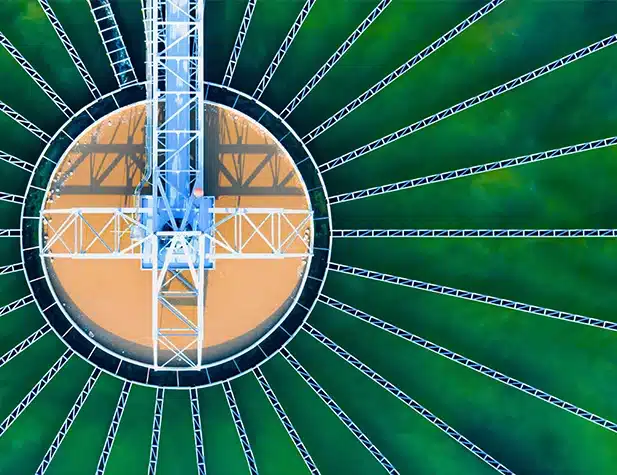
Industrial facilities face increasing pressure to reduce freshwater consumption and wastewater discharge. Membrane treatment enables closed-loop water systems by treating process water, cooling tower blowdown, and other industrial streams for reuse within the facility.
Ceramic and polymeric membrane systems provide reliability needed for continuous industrial water reuse operations.
ALSYS’ Track Record
With over 30 years of experience and more than 500 references worldwide in industrial membrane applications, ALSYS delivers treatment systems enabling water reuse.
Related Technologies
- Full membrane portfolio: ceramic MF/UF, polymeric NF/RO
- Integrated treatment trains with biological and advanced oxidation
Related Markets
What You Need To Know About Industrial Water Treatment
Industrial water and wastewater operators face wide variability in feed quality, fouling potential, and treatment targets. These FAQs address the most common questions around integrating ceramic membranes into industrial processes, from pretreatment requirements to cleaning expectations and system performance under real-world operating conditions.
Three factors determine membrane selection: chemical resistance, temperature tolerance, and operational lifespan.
Ceramic membranes handle pH 0-14, temperatures to 212°F (100°C), and aggressive cleaning with caustic, acids, and oxidizers. Membranes typically last 5-20 years. Polymeric membranes have narrower operating windows and shorter operational lives.
For harsh industrial applications with temperature extremes, extreme pH, or the presence of oils, ceramic membranes are often the only viable long-term solution. For cleaner water at ambient temperature, polymeric membranes may be a lower-cost option for your needs.
Yes. The crossflow design maintains turbulent flow at the membrane surface, preventing solids from accumulating. Solids exit with the concentrate stream rather than accumulating on the membrane. Systems operate with feed TSS from 15 ppm to over 500 ppm. T
The California installation handles highly abrasive produced water using custom abrasion-resistant formulations explicitly developed for high-solids applications. For extremely high solids, coarse screening or strainers upstream may be appropriate, but ceramic membranes are significantly more tolerant than polymeric systems.
Most industrial wastewater streams only require coarse screening above ~1 mm or simple bag filtration to prevent large debris from entering the membrane system. Unlike polymeric membranes, which depend on tight pretreatment control, ceramic membranes remain stable even when wastewater contains oils, surfactants, fine solids, corrosion inhibitors, or variable organics commonly found in manufacturing, chemical processing, food & feed, and oil & gas facilities.
Because ceramic materials tolerate operational upsets, harsh cleaning, and fluctuating influent quality, chemical pretreatment such as coagulation or pH adjustment is typically not required. This reduces chemical consumption, lowers operator burden, and simplifies integration into existing industrial water treatment trains.
Pilot testing on actual plant wastewater confirms the appropriate pretreatment steps and validates performance expectations, including flux stability, fouling behavior, and permeate quality, before the system is scaled to full operation
Cleaning frequency depends heavily on the characteristics of the wastewater — including solids loading, emulsified oils, surfactants, biological content, and the stability of upstream processes. In most industrial installations, operators follow a staged approach that balances flux recovery with operational efficiency.
Typical cleaning practices include:
- Automated backwash cycles every 30–120 minutes (5–15 minutes in duration) to manage routine solids accumulation
- Chemical-enhanced backwashes performed daily to weekly, often using dilute caustic or acid to remove organics, scale, or surfactant films
- Full CIP procedures monthly to quarterly, depending on foulant severity and production variability
Ceramic membranes are especially advantageous in industrial wastewater environments because they tolerate strong caustics, acids, oxidizers, and elevated temperatures without structural degradation. This resilience supports consistent flux recovery even when treating oily water, process wastewater, landfill leachate, or other chemically aggressive streams.
Yes. ALSYS ceramic membranes eliminate the operational challenges inherent to diatomaceous earth filtration while delivering superior and more consistent performance.
DE filters require continuous media replacement, generating disposal costs and creating handling hazards from silica dust exposure. The media degrades during use, leading to inconsistent filtration performance and breakthrough of contaminants. Frequent system shutdowns for backwashing and media recharging interrupt production.
ALSYS’ Kleansep™ and CeraMem® ceramic membranes provide permanent filtration barriers that maintain consistent pore size and removal efficiency throughout their 5-20 year lifespan. Automated cleaning cycles restore performance without media replacement or manual intervention. Our systems handle variable feed quality without breakthrough, delivering consistent permeate quality regardless of upstream process changes.
For applications currently using DE filtration, including process water polishing, beverage clarification, and industrial wastewater treatment, ALSYS ceramic membrane systems reduce operating costs by eliminating media purchases and disposal while increasing system uptime and improving filtration reliability.
Talk To Our Team About Your Water Treatment Requirements
Discuss your water treatment application with our technical experts.