
Improving Efficiency Across Waste-to-Energy Operations
Waste-to-energy facilities face increasing regulatory pressure to reduce air emissions while maintaining high thermal efficiency and operational reliability. Effective emissions control is essential to meet environmental permits while maximizing energy recovery from municipal solid waste and industrial byproducts.
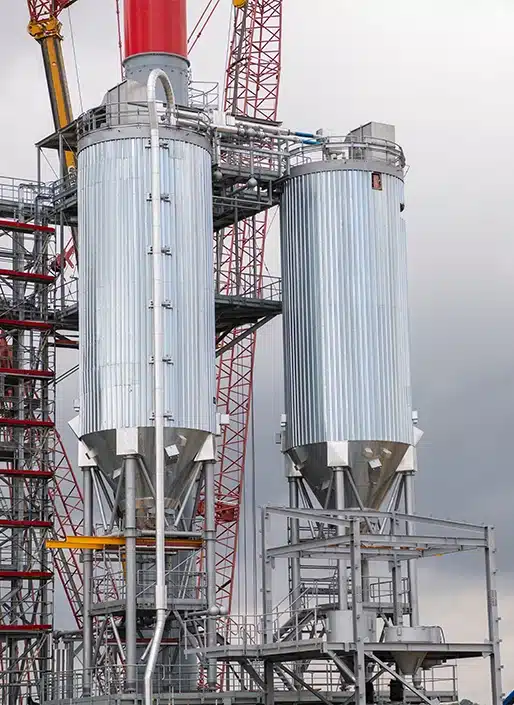
Variable waste composition, fluctuating boiler loads, and stringent emission limits challenge conventional control technologies. Operators must balance NOx and VOC reduction, acid gas control, and particulate management while maintaining combustion efficiency and minimizing auxiliary fuel consumption in your facility.
ALSYS delivers catalyst solutions designed for the high-temperature, high-particulate, and chemically aggressive conditions common in waste-to-energy operations, helping facilities achieve emissions compliance while maintaining operational flexibility.
How ALSYS Strengthens Waste-to-Energy Operations
Waste-to-energy facilities require emissions-control technologies that maintain reliable performance despite variable waste composition, changing boiler loads, and aggressive exhaust chemistry. ALSYS combines proven catalyst formulations, thermal process expertise, and lifecycle support to help operators achieve emissions targets, reduce operating costs, and maintain permit compliance.
NOx Reduction Across Variable Operating Conditions
SCR catalysts maintain stable NOx conversion efficiency despite temperature swings, load changes, and fuel variability typical of waste combustion operations in your facility.
VOC and CO Oxidation for Complete Combustion Control
Oxidation catalysts address VOC and carbon monoxide emissions from incomplete combustion, supporting air quality compliance while minimizing auxiliary fuel requirements.

Dioxin and Furan Destruction
Specialized catalysts enable low-temperature destruction of dioxins, reducing their formation and emissions from waste combustion at your plant.

Support From Feasibility Through Long-Term Operation
ALSYS engineers assist with catalyst selection, system design, performance validation, and lifecycle management to ensure sustained emissions compliance in your waste-to-energy facility.
Where ALSYS Technologies Add Value Across Waste-to-Energy
Waste-to-energy facilities manage variable waste streams, fluctuating combustion conditions, and strict air quality requirements. The segments below outline the major operational areas where ALSYS catalyst technologies improve emissions performance, support regulatory compliance, and maintain operational flexibility in your facility.
Overview
Municipal waste-to-energy facilities combust mixed waste streams with highly variable compositions, including plastics, organics, metals, and moisture. This variability creates fluctuating boiler temperatures, changing exhaust chemistry, and unpredictable pollutant formation. Emissions control systems must maintain performance despite these operational challenges while meeting strict limits for NOx, VOC, dioxin, and acid gases.
Catalyst systems operating in this environment face high particulate loading, acid gas exposure, and temperature swings that challenge activity and durability. Facilities require emissions control technologies that adapt to operational variability while delivering consistent pollutant reduction in your plant.
ALSYS’ Track Record
ALSYS environmental catalysts support municipal waste-to-energy facilities worldwide. Systems maintain emissions compliance despite changes in waste composition, load variations, and seasonal operational patterns.
These capabilities help municipal facilities achieve air quality permits, maintain operational flexibility, and support community environmental commitments.

Overview
Industrial and hazardous waste incinerators manage diverse waste types including solvents, chemical residues, pharmaceutical waste, and contaminated materials. These streams generate complex exhaust that contains VOCs, halogenated compounds, heavy metals, and acid gases, requiring comprehensive emissions control.
High combustion temperatures, aggressive exhaust chemistry, and varying waste composition challenge catalyst performance and system reliability. Facilities require emissions technologies to maintain activity across temperature extremes and chemical exposure typical of hazardous waste incineration in your plant.
ALSYS’ Track Record
ALSYS catalysts support industrial and hazardous-waste incinerators that require reliable emissions control under demanding conditions. Systems address NOx, VOC, and halogenated compound destruction while tolerating aggressive exhaust chemistry.
These technologies help industrial facilities maintain environmental permits while managing diverse waste streams and operational requirements.
Overview
Wastewater treatment facilities incinerate biosolids and sludge to reduce volume, destroy pathogens, and recover energy. Sludge combustion generates emissions containing NOx, ammonia slip, VOCs, and odorous compounds requiring control before atmospheric release.
High moisture content, variable organic loading, and ammonia formation create unique combustion and emissions challenges. Facilities require catalyst systems addressing both regulated pollutants and odor control while maintaining performance across sludge composition variations in your plant.
ALSYS’ Track Record
ALSYS catalysts support biosolids incinerators and multiple-hearth furnaces across municipal wastewater treatment facilities. Systems control NOx while addressing ammonia slip and VOC emissions specific to sludge combustion.
These installations help wastewater facilities manage biosolids while meeting air quality requirements and minimizing community impact.
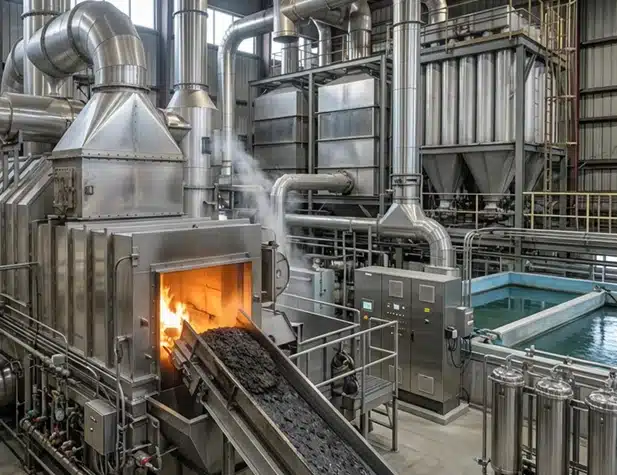
Related Solutions
Biosolids incineration requires catalysts addressing ammonia, odor, and traditional air pollutants. The solutions below support sludge combustion emissions control.
- Ammonia oxidation catalysts, SCR catalysts, and VOC oxidation for odor management
- Support by ALSYS Engineering
Related Applications
Biosolids combustion generates emissions requiring comprehensive control beyond traditional combustion pollutants. These applications represent key air quality needs.
Overview
Waste-to-energy facilities increasingly co-fire biomass, refuse-derived fuel, and other renewable materials to improve energy recovery and reduce fossil fuel dependence. These alternative fuels introduce alkali metals, chlorine, and other constituents affecting combustion chemistry and catalyst performance.
Variable fuel quality, fluctuating moisture content, and changing combustion conditions challenge emissions control reliability. Facilities require catalyst systems maintaining activity despite fuel variability while supporting operational flexibility in your plant.
ALSYS’ Track Record
ALSYS catalysts support facilities co-firing biomass and alternative fuels alongside traditional waste streams. Systems maintain emissions performance despite fuel composition changes and operational variability.
These technologies help facilities expand fuel flexibility while maintaining emissions compliance and operational reliability.

Related Solutions
Related Applications
Renewable fuel integration affects multiple emissions control requirements. These applications represent key air quality management needs across fuel types.
Answers to Common Waste-to-Energy Emissions Challenges
Waste-to-energy operations face variable combustion conditions, complex exhaust chemistry, and strict air quality requirements across municipal, industrial, and biosolids incineration. The questions below highlight where catalyst technologies deliver the most significant impact and how ALSYS helps achieve emissions compliance while maintaining operational flexibility.
Variability in waste composition creates fluctuating boiler temperatures, changing NOx formation rates, and unpredictable exhaust chemistry, all of which challenge consistent catalyst performance. ALSYS SCR catalysts are formulated for expansive operating windows, maintaining NOx conversion efficiency across temperature ranges from 180-420°C typical of waste combustion load swings. Catalyst activity remains stable despite daily and seasonal waste composition changes, enabling facilities to meet permit limits while preserving operational flexibility. Proper ammonia injection control and catalyst sizing ensure performance despite the inherent variability of waste-to-energy operations in your facility.
Yes. Waste combustion exhaust contains higher particulate loading than conventional fossil fuel boilers, creating potential for catalyst plugging and erosion. ALSYS catalyst designs incorporate appropriate pitch, channel geometry, and material selection for high-dust applications typical of waste-to-energy operations. Installations include upstream particulate management through electrostatic precipitators or baghouses where loading exceeds catalyst tolerance. Proper system design ensures catalyst life of 3-5+ years despite particulate exposure in your facility.
Biosolids combustion generates ammonia from protein decomposition, creating both direct ammonia emissions and potential for excessive ammonia slip from SCR systems. Wastewater sludge also produces odorous VOCs and sulfur compounds affecting community acceptance. ALSYS catalyst systems address these unique challenges through ammonia oxidation catalysts controlling slip and VOC oxidation catalysts reducing odor. Multiple-hearth furnace installations demonstrate simultaneous NOx, ammonia, and VOC control supporting both regulatory compliance and community relations in your facility.
Catalyst systems integrate with fabric filters, electrostatic precipitators, scrubbers, and other existing equipment through careful evaluation of temperature profiles, space constraints, and operational sequences. ALSYS Engineering support includes evaluating existing equipment, identifying optimal catalyst placement, and designing ammonia injection or oxidation air systems. Retrofits typically occur during planned outages, minimizing operational disruption. Proper integration ensures emissions compliance while preserving existing equipment investment and operational practices in your waste-to-energy facility.
Explore The Solutions That Best Match Your Emissions Control Challenge
Find the catalyst technologies that best address your facility’s air quality and regulatory compliance targets.