
Separation Technologies Designed for High-Purity, Compliance-Driven Operations
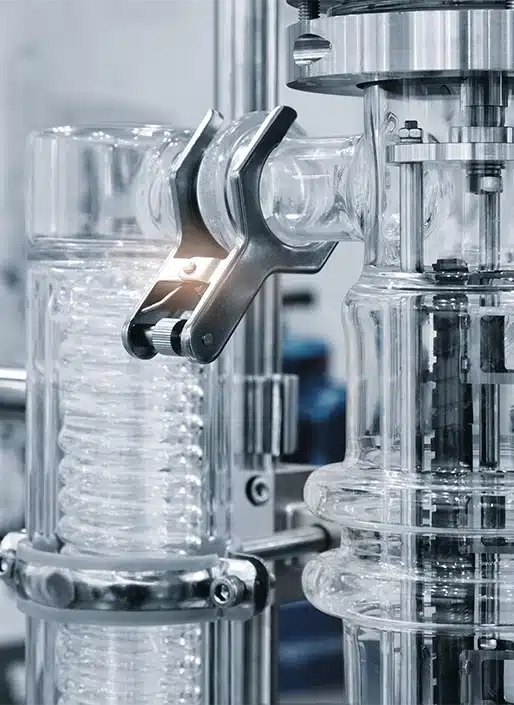
Pharmaceutical processes require precise separations, stable performance, and materials that tolerate solvents, low pH, elevated temperatures, and rigorous cleaning requirements. ALSYS membrane and catalyst systems support clarification, polishing, solvent dehydration, and emissions reduction across upstream, downstream, and auxiliary utilities.
Ceramic membranes provide durability and chemical resistance. Polymeric membranes support fine separations. Hybsi® pervaporation membranes enable solvent dehydration and azeotrope breaking. Catalysts help reduce NOx and VOC emissions from process heating units.
ALSYS Expertise at a Glance
ALSYS brings extensive experience in separation and filtration to the pharmaceutical industry, helping clients achieve purity and efficiency across a range of processes. The following highlights key areas of ALSYS' expertise tailored for pharmaceutical applications.
Clarification and polishing for fermentation and biologic streams
Microfiltration and ultrafiltration systems remove solids and support consistent downstream processing.
Solvent purification and dehydration
Pervaporation improves product quality and reduces energy use in handling solvent mixtures and azeotropes.

Durable performance in aggressive chemical cleaning
Ceramic membranes tolerate caustics, acids, solvents, and high-temperature CIP.
Wastewater treatment for pharmaceutical effluents
Membrane systems support removal of organics, particulates, and chemical residues.
Emissions control for utility systems
Catalysts reduce NOx and VOCs from heaters, boilers, and thermal treatment units.
Improving Solvent Purity in a Pharmaceutical Production Line
Pervaporation systems have enabled stable solvent dehydration in high-purity operations, supporting downstream reaction efficiency and reducing distillation energy demand.
Applications in Pharmaceutical
The field of medicine is continually evolving, driven by innovations in material science and nanotechnology. Within this landscape, new materials are being developed to improve drug delivery, diagnostics, and therapeutics.
Overview
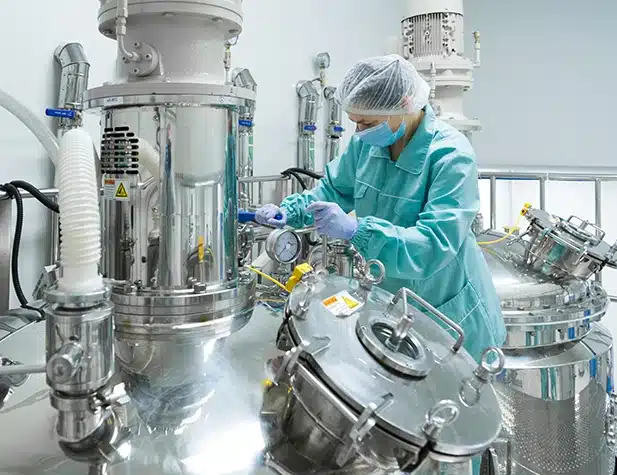
A diverse mixture of cells, proteins, colloids, and suspended solids characterizes bioprocessing streams. Achieving stable clarification of these streams is essential to support subsequent purification stages effectively. Without effective clarification, downstream processes can be significantly hindered.
The heterogeneity of the feed material requires robust, adaptable clarification techniques. These techniques must efficiently remove the suspended matter while preserving the integrity of the target biomolecules. Proper clarification is a critical first step that directly affects the final product’s yield and purity.
ALSYS’ Track Record
Ceramic membranes are ideal for biologically active and fouling-prone environments. They consistently deliver predictable flux, which is critical for consistent process performance. Furthermore, their robust nature allows them to withstand aggressive cleaning protocols between batches.
This resilience makes them a superior choice over polymer-based alternatives in challenging applications. Their ability to handle harsh conditions ensures a longer lifespan and reduced maintenance costs. Ultimately, ceramic membranes provide a reliable and efficient solution for complex separation needs.
Related Solutions
Related Applications
Overview
In pharmaceutical synthesis, solvent recovery is challenging with distillation, particularly for azeotropes or compounds sensitive to heat. Traditional distillation methods often require high temperatures, which can degrade thermally sensitive active pharmaceutical ingredients (APIs) or lead to unwanted side reactions. Furthermore, the energy-intensive nature of distillation, particularly for separating azeotropes, significantly increases overall process costs and the environmental footprint.
Emerging alternatives, such as membrane separation and supercritical fluid extraction, are being explored to overcome these limitations. These methods offer the potential for lower operating temperatures and reduced energy consumption, addressing both API stability and sustainability concerns. Continued research and development in these areas are crucial to advancing more efficient, environmentally friendly solvent recovery techniques in the pharmaceutical industry.
ALSYS’ Track Record
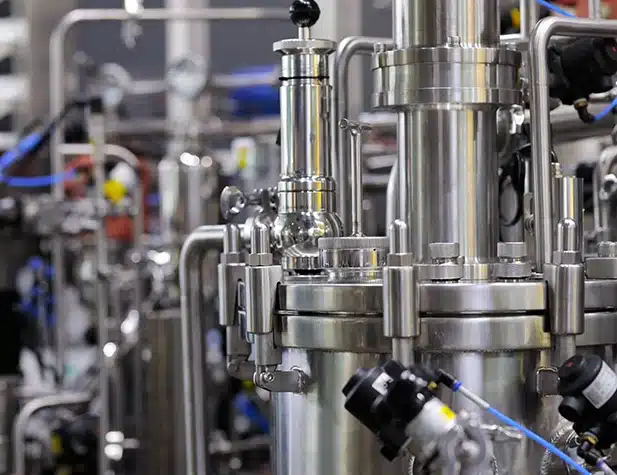
Hybsi® pervaporation membranes are engineered to provide dependable solvent dehydration, even in challenging, acidic chemical environments. Their robust design ensures they maintain high performance and efficiency. This reliability is especially crucial when the membranes are subjected to elevated temperatures.
The durability of Hybsi® makes it a suitable choice for various industrial applications where solvent purity is essential and where standard membranes might degrade. By consistently delivering superior dehydration capabilities, they enable more efficient and reliable chemical processes. This technological advantage positions them as a key component for improving overall operational stability in demanding chemical settings.
Related Solutions
Related Applications
Overview
To ensure high purity, improve yield, and stabilize downstream processes in active pharmaceutical ingredient (API) production, consistent particulate removal is essential. This critical step prevents contamination, which can compromise the final product’s quality. Reliable filtration methods are therefore indispensable for meeting stringent regulatory standards and maximizing manufacturing efficiency.
Achieving this consistency requires careful selection and maintenance of filtration systems. These systems must be robust enough to handle varying process conditions while maintaining a precise level of particle exclusion. Regular monitoring and validation of the filtration train are necessary to guarantee optimal performance throughout the API synthesis.
ALSYS’ Track Record
Membrane systems serve a crucial role in processing high-value compounds. Their primary function is to clarify these solutions, ensuring the purity and quality of the final product. Additionally, they polish the solution by effectively removing any fine solids that may be present.
This dual action of clarification and polishing is essential for applications where product integrity is paramount. By removing contaminants, membrane systems help maximize the yield and efficacy of the high-value compounds being processed. Their use represents a significant technological advancement in the field of separation and purification.

Related Solutions
Related Applications
Overview
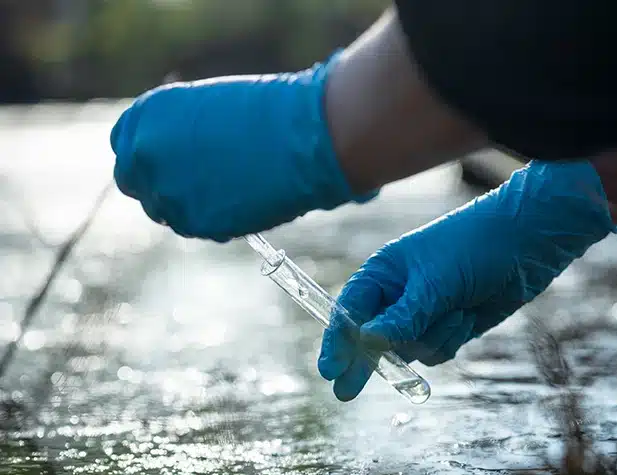
Predictable control of particulate matter and other contaminants is necessary for utility water, boiler feedwater, and pharmaceutical effluent streams. This precision ensures equipment remains operational, reducing costly downtime and maintenance costs. It also guarantees compliance with strict environmental and regulatory standards, which is critical for all industrial operations.
Effective filtration methods are the key to achieving this necessary level of control. Advanced separation technologies, such as microfiltration and ultrafiltration, offer reliable removal of microscopic impurities. Implementing these proven solutions results in purer water and, ultimately, more efficient, sustainable processes.
ALSYS’ Track Record
Kleansep ceramic membranes are engineered for exceptional long-term stability. Their robust design ensures that they can maintain consistent performance even when exposed to highly variable process chemistry. This durability is key to minimizing downtime and maximizing productivity over the membrane’s lifespan.
The membranes are designed to withstand rigorous, repeated Clean-in-Place (CIP) cycles. This resistance to harsh cleaning protocols is a testament to the material’s superior construction. The ability to perform frequent, effective cleaning contributes significantly to maintaining a high flux rate and ensuring reliable separation efficiency.
Related Solutions
Related Applications
Frequently Asked Questions
Here are some frequently asked questions about ALSYS’ separation technologies and their application in pharmaceutical production.
Ceramic membranes are highly effective in pharmaceutical applications, providing contamination-resistant filtration. They are also valued for their ability to maintain stability during filtration. Furthermore, these membranes can withstand the rigorous cleaning cycles required in sterile pharmaceutical environments.
These characteristics make ceramic membranes a superior choice for sensitive separation and purification tasks. Their resistance to harsh chemicals and high temperatures allows for repeated, effective sterilization without degradation. This reliability is paramount in meeting the stringent regulatory standards of the pharmaceutical industry.
Pervaporation is a highly effective method for breaking azeotropes and dehydrating substances. This process offers a distinct advantage over traditional distillation methods. Specifically, pervaporation is known to require less energy to operate.
Additionally, pervaporation is stable for use in aggressive or acidic solvent systems. This makes it a versatile technology for a range of chemical applications. These characteristics contribute to the growing importance of pervaporation in industrial separations.
Ceramic materials are an excellent choice for pharmaceutical applications due to their inherent durability and chemical resistance. They have the necessary tolerance for both high-temperature processing and aggressive caustic cleaning. This robustness is critical for maintaining strict batch-to-batch reliability and preventing cross-contamination in production environments.
The superior properties of ceramics ensure a prolonged service life even under the demanding conditions of pharmaceutical manufacturing. Their stability enables consistent, thorough sterilization procedures without material degradation or leaching. As a result, incorporating ceramic components helps facilities meet stringent regulatory standards for product purity and safety.
Improving clarity is a crucial first step that directly improves overall process yield. When the initial clarification stage is highly effective, it removes more unwanted particulates and contaminants. This cleaner starting material significantly reduces the processing load across all downstream purification steps.
The benefit of superior clarification extends to subsequent, more resource-intensive steps, such as chromatography, solvent extraction, and final polishing. By reducing the impurity burden early on, these later steps operate more efficiently, requiring less consumption of expensive resins, solvents, and other media. This strategic upstream improvement ultimately enhances the cost-effectiveness and robustness of the entire bioprocess train.
Membrane filtration offers a significant advantage by enabling separations at lower temperatures. This low-temperature operation is crucial for safeguarding thermally sensitive compounds from degradation. By avoiding high heat, the structural integrity and biological activity of delicate substances are preserved.
This preservation of heat-sensitive materials is a key benefit, particularly in the pharmaceutical and food processing industries. The gentler processing conditions ensure a higher-quality final product with preserved potency and flavor. Therefore, membrane filtration provides an essential, non-thermal alternative for molecular separation and concentration.
To ensure regulatory compliance, membrane systems are essential for treating various water and wastewater streams. These advanced filtration technologies are specifically designed to effectively remove particulates, complex organic compounds, and unwanted chemical residues. Their reliable operation is key to meeting strict environmental discharge standards and protecting public health.
The core function of these membrane systems is to act as a highly selective barrier, allowing clean water to pass while retaining contaminants. This process is crucial across industries, including pharmaceuticals, food and beverage, and municipal water treatment facilities. The utilization of these systems, therefore, represents a fundamental commitment to responsible environmental stewardship and operational excellence.
Pilot systems enable assessment of separation characteristics, cleaning procedures, and integration needs using live process streams. By operating on a smaller scale, these systems provide valuable data on the efficacy of the intended processes before committing to full-scale production. This hands-on evaluation helps identify potential bottlenecks or inefficiencies early in the development cycle.
The deployment of pilot systems is crucial to scaling operations, as it mitigates the significant risks associated with untested industrial designs. They ensure that all components work together seamlessly, confirming both the feasibility and robustness of the overall process. Ultimately, successful operation of the pilot system paves the way for a smooth, cost-effective transition to commercial manufacturing.
Strengthen Pharmaceutical Production With Reliable Separation Technologies
Our advanced filtration systems ensure the purity and safety of your drug products, minimizing risk and maximizing efficiency.