
VOC Control Systems
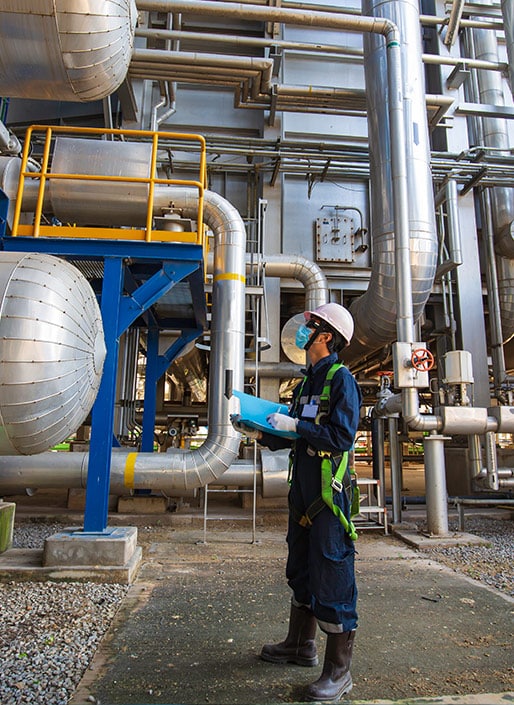
Air permits set VOC limits requiring facilities to implement reliable air quality systems that consistently perform across varying concentrations, compositions, and flow rates.
ALSYS Catalysts provides catalytic oxidation systems at lower temperatures than thermal oxidation. Catalyst formulations handle diverse air streams from coating operations, chemical plants, food processing, and waste treatment facilities.
VOC Control System Capabilities
ALSYS catalyst systems are designed for reliable performance in industrial air emissions control. Systems handle conditions including variable VOC concentrations, diverse compound mixtures, and catalyst poisons where standard thermal oxidation cannot achieve equivalent performance or economics.
Lower Operating Temperatures
Catalytic oxidation at 250-450°C versus 650-1000°C for thermal oxidation, reducing fuel consumption by 40-60% for typical VOC applications.
Broad VOC Compatibility
Catalyst formulations handling alcohols, ketones, esters, aromatics, and mixed VOC streams are common in industrial air emissions.
Long Catalyst Life
Years of operation without significant activity loss when designed appropriately and operated within catalyst capabilities.
Complete System Engineering
Complete oxidizer systems with burners and turndown capability, heat recovery for energy efficiency, controls and automation, and stack testing and compliance documentation. ALSYS develops new compact equipment for treating VOCs from small industrial sources (ranging from a few hundred m3/h to a few thousand m3/h).
Catalyst Systems for Industrial Air Emission Control
ALSYS catalysts address VOC destruction, odor control, and CO emissions across manufacturing and process industries.
Overview
Coating operations, printing, adhesive application, and chemical processing release VOCs requiring control to meet air permit limits. European Industrial Emissions Directive BREF (Best Available Techniques Reference Document) 2026 implementation mandates substantial VOC emission reductions across manufacturing sectors, driving demand for efficient destruction technologies.
Catalytic oxidation at moderate temperatures (300-450°C) enables VOC destruction at lower operating costs than thermal oxidation, meeting tightened regulatory limits while reducing fuel consumption. Operating cost savings from lower temperature operation provide 40-60% fuel savings versus thermal oxidation. For high VOC concentrations (greater than 25% LEL), VOCs provide enough heating value that systems can operate autothermally without supplemental fuel.
BREF 2026 emission limits necessitate proven catalytic technologies capable of achieving greater than 95% VOC destruction efficiency while maintaining regulatory compliance across varying process conditions.
ALSYS’ Track Record
Complete catalytic oxidizer systems for automotive coating operations (spray booth exhaust, oven exhaust), printing and packaging facilities (flexographic, gravure, lithographic), adhesive and laminating operations (web coating, assembly operations), and chemical manufacturing (reactor vents, storage tank emissions).
Systems include catalyst formulations appropriate for specific VOC mixtures, burner systems with turndown capability that match process ventilation rates, heat recovery (recuperative or regenerative) for energy efficiency, and controls that integrate with process ventilation systems.
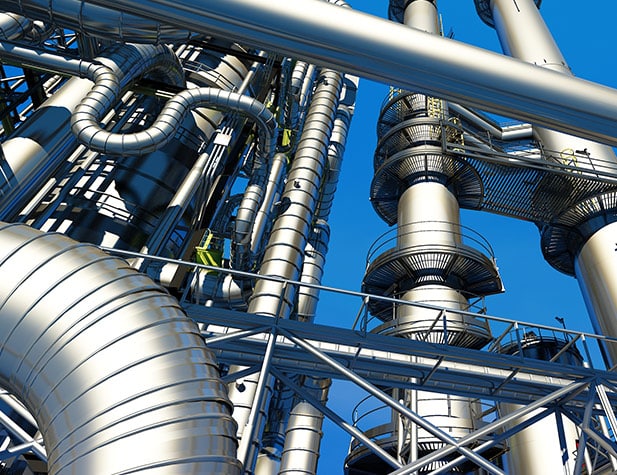
Overview
Chemical plant air emissions, pharmaceutical manufacturing, and specialty chemical production generate various VOCs from reactor vents, storage tanks, and process equipment. Air permits require VOC control with destruction efficiency typically greater than 95-98%.
Catalytic oxidation maintains performance across variable composition and concentration typical of batch chemical operations. Poison-resistant formulations are suitable for applications where VOC streams contain compounds that affect catalyst activity.
ALSYS’ Track Record
Catalyst systems for chemical plant air applications with poison-resistant formulations when sulfur, halogens, or other compounds are present; pre-treatment systems removing catalyst poisons when required (scrubbers, adsorbents); and monitoring systems tracking catalyst performance and destruction efficiency.
For applications with catalyst poisons, economic analysis compares the cost of catalyst replacement (accepting periodic deactivation) with the cost of pre-treatment investment (protecting the catalyst from poisons). Selection depends on poison concentrations and replacement costs.
Systems operate in chemical, pharmaceutical, and specialty material manufacturing. Catalyst replacement intervals range from 2 to 5+ years, depending on application severity and poison exposure.

Commonly Asked Questions About Catalytic VOC Control
The responses you need for common questions about ALSYS’ Catalytic VOC Control and related technologies.
Typically, 40-60% less fuel than thermal oxidation for equivalent destruction efficiency. Thermal oxidation requires 650-1000°C for complete VOC destruction. Catalytic systems operate at 300-450°C, providing the same destruction efficiency.
A temperature difference directly translates into fuel savings. For high VOC concentrations (greater than 25% LEL), VOCs provide enough heating value that catalytic systems can operate autothermally (no supplemental fuel required after startup).
For low VOC concentrations (less than 10% LEL), both thermal and catalytic oxidation require substantial supplemental fuel, but catalytic systems still use 40-60% less fuel. Energy payback from lower operating costs typically provides a 2-4-year return on investment compared to thermal oxidation.
Heat recovery further improves economics. Recuperative heat exchangers preheat inlet air using outlet heat. For continuous operations, heat recovery payback is often under 1 year.
Regular maintenance includes:
- Catalyst inspection: Annual visual inspection for plugging, erosion, or thermal damage
- Performance monitoring: Destruction efficiency testing annually or per permit requirements
- Burner maintenance: Combustion system inspection and tuning per manufacturer recommendations
- Heat exchanger cleaning: Periodic cleaning of recuperative heat exchangers when the pressure drop increases
Catalyst requires no maintenance beyond periodic inspection. Properly designed systems operate for years without catalyst replacement. Catalyst life ranges from 3-5+ years for most applications.
Major maintenance is catalyst replacement at the end of life. Replacement is straightforward with catalyst beds designed for removal and installation. Planning for catalyst replacement includes budgeting for periodic changeouts.
For applications with particulates in the VOC stream (paint overspray, process dust), upstream filtration prevents catalyst plugging. Filter maintenance is more frequent than catalyst maintenance.
Catalytic oxidation effectively destroys most organic compounds, including:
- Alcohols: Methanol, ethanol, isopropanol, higher alcohols
- Ketones: Acetone, MEK, MIBK Esters: Ethyl acetate, butyl acetate
- Aromatics: Toluene, xylene, styrene
- Chlorinated compounds: Methylene chloride, perchloroethylene (with HCl removal downstream)
Compounds that create catalyst challenges:
- Siloxanes: Deactivate catalyst through silica formation (common in landfill gas and biogas)
- Halogens: Chlorine and fluorine compounds can deactivate some catalyst formulations
- Sulfur: High sulfur concentrations poison catalyst active sites
- Phosphorus: Deactivates catalyst (common in flame retardants and plasticizers)
For challenging compounds, catalyst selection addresses specific poisons. Pre-treatment removes poisons when present at high concentrations. Economic analysis determines optimal approach.
Find the Right Solution for Your Air Quality Requirements
Discuss VOC control requirements with our air quality management team.