
Membrane-Based Solvent Separation
Distillation has limitations with azeotropes, heat-sensitive materials, and energy-intensive operations. Pervaporation is an alternative separation method that uses membranes to separate water vapor from a solvent/water stream.
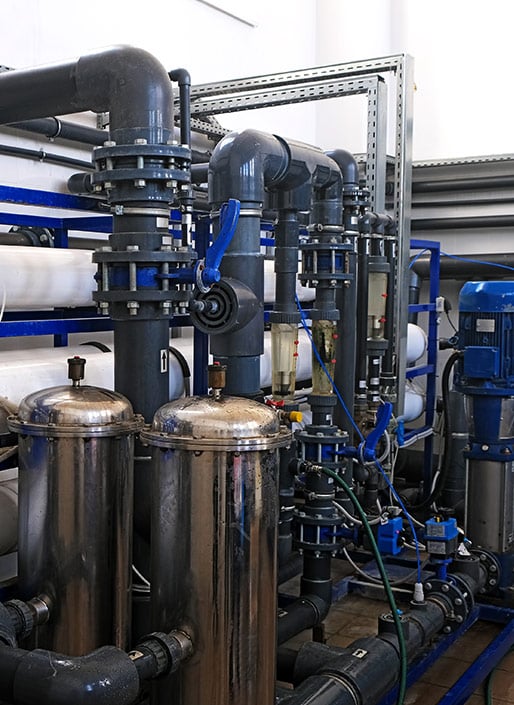
ALSYS is the world’s only manufacturer of Multichannel HybSi® pervaporation membranes, combining the highest chemical resistance, highest temperature stability, and lowest CAPEX per m² of any HybSi® membrane system commercially available. With proven performance across IPA and acetone dehydration, polar aprotic solvents (DMF, DMAc, NMP), organic acids, and chlorinated systems, ALSYS enables processes that were previously complex, expensive, or unfeasible. Hybsi® membranes have demonstrated over 1,000 days of continuous industrial operation without performance loss, the longest confirmed stability record for any commercial pervaporation membrane.
ALSYS delivers pervaporation solutions from feasibility testing through commissioning. ALSYS Project Services provides engineering, procurement, construction management, and startup support. Combined, this provides complete value chain coverage from technology selection through operational handover.
Pervaporation Technology Capabilities
ALSYS pervaporation systems are designed for reliable performance in demanding chemical separation applications. Hybsi® membranes combine selective permeation with chemical stability.
Acid-Resistant Membranes
Hybsi® membranes operate in the range of pH 2 – 8, where polymeric pervaporation membranes degrade.
High-Temperature Operation
Process at temperatures to 190°C without membrane degradation.
Solvent Stability
Handle alcohols, ketones, esters, and other organic solvents with chemical resistance beyond polymeric pervaporation membranes.
Energy Reduction
Up to 75% energy savings compared to azeotropic distillation.
Multichannel Technology
The world's only multichannel HybSi® membranes deliver the highest packing density per module, reducing footprint and total installed cost per m² at industrial scale.
Single-Source Integration
Complete pervaporation solutions under one corporate umbrella: membrane manufacturing, pilot testing, ATEX-compliant design, and full project execution from material to installation.
Questions About Pervaporation Technology
Below are some of the most frequently asked questions regarding pervaporation technology, its benefits, and how the Hybsi® membranes from ALSYS deliver superior performance in challenging separation applications.
Four situations make pervaporation favorable:
- Azeotrope breaking: When distillation cannot separate due to azeotrope formation
- Energy savings: Up to 75% reduction for certain solvent dehydration applications
- Heat-sensitive materials: Lower temperature processing preserves product quality
- Reaction integration: Continuous water removal, shifting the reaction equilibrium for higher conversion, and enabling a continuous reaction
For pharmaceutical and chemical manufacturers, pervaporation typically makes sense when dealing with azeotropes or when energy costs for distillation are high.
Hybsi® membranes handle acidic conditions (pH 2 – 8), aggressive solvents, and high temperatures (up to 190°C where polymeric membranes lose performance.
Polymeric pervaporation membranes work well for ethanol-water separation at neutral pH. For pharmaceutical synthesis with acid catalysis or chemical applications with harsh solvents, Hybsi® membrane stability provides years of operation versus months with polymeric membranes.
Chemical resistance expands viable applications. Where polymeric membranes would degrade, Hybsi® membranes maintain performance.
The integration approach depends on the application:
- Integrated with reactors: Pervaporation modules connect directly to synthesis reactors for continuous product removal
- Parallel to distillation: For debottlenecking, pervaporation provides additional capacity without expanding distillation equipment.
ALSYS Project Services evaluates integration options during feasibility studies. Pilot testing validates performance using actual process streams. Engineering includes tie-ins, controls integration, and startup support.
Find the Right Solution for Your Separation Requirements
Discuss your pervaporation application with our separation technology team.