
Improving Efficiency Across Steel Operations
Steel mills face increasing pressure to reduce water consumption, manage oily wastewater, and meet stricter environmental discharge requirements. Reliable separation has become essential for maintaining production efficiency while managing sustainability commitments.
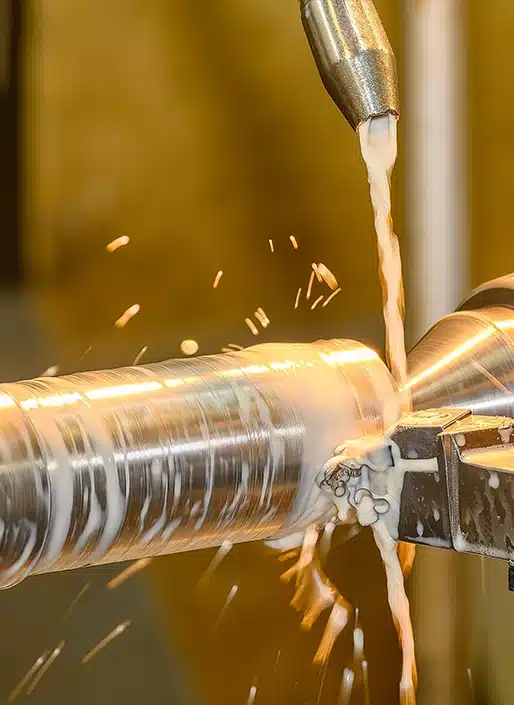
Aging water treatment infrastructure, variable process chemistry, and tightening discharge limits are pushing traditional technologies beyond their design capacity. Operators must balance uptime, chemical costs, and regulatory compliance while treating rolling emulsions, pickling acids, and facility drainage containing oils, metal fines, and process chemicals.
ALSYS delivers membrane solutions designed for the harsh conditions common in steel operations, helping mills stabilize performance, reduce operating costs, and extend the productive life of existing treatment systems.
How ALSYS Strengthens Steel Operations
Steel facilities require separation technologies that maintain reliable performance in the presence of high suspended solids, elevated temperatures, and aggressive chemistries. ALSYS combines chemical-resistant materials, steel-specific application expertise, and lifecycle support to help operators improve water quality, reduce treatment costs, and protect downstream equipment.
Oily Water Treatment for Rolling and Cooling Operations
Ceramic membranes maintain stable flux in emulsified rolling oils, coolants, and facility drainage, enabling water reuse while meeting discharge specifications for oil and grease.
Pickling Acid Recovery and Purification
Membrane systems remove metal hydroxides and suspended solids from spent pickling acids, enabling acid reconcentration and reuse while reducing chemical purchasing and disposal costs.

Process Water Polishing for Critical Applications
Ultrafiltration provides reliable suspended solids removal for cooling water, process dilution, and other applications requiring consistent water quality in your mill.

Support From Feasibility Through Long-Term Operation
ALSYS engineers assist with pilot testing, system design, commissioning, and lifecycle optimization to ensure sustained, predictable performance in your steel operation.
Where ALSYS Technologies Add Value Across Steel
Steel operations manage oily process streams, acidic wastewater, and high-solids drainage, all of which require reliable clarification. The segments below outline the major operational areas where ALSYS technologies improve water quality, reduce costs, and support environmental compliance in your facility.
Overview
Rolling mills and metalworking facilities generate oily wastewater from rolling emulsions, coolants, parts washing, and facility drainage. Water typically contains 50-500 ppm oil, suspended metal fines, and process chemicals. Discharge permits require oil removal to very low levels, often below 10 ppm for discharge or below 5 ppm for reuse applications.
Gravity separators remove free oil but cannot break stable emulsions formed by rolling oils and metalworking fluids. Coalescers and media filters often exhibit inconsistent performance or foul quickly when metal fines and surfactants are present in your process streams.
ALSYS’ Track Record
ALSYS’ ceramic ultrafiltration solutions remove oil and suspended solids in a single pass, consistently delivering 0.5–1 ppm oil in permeate regardless of feed variability. Installations across steel and metalworking facilities demonstrate reliable performance despite changing rolling schedules, grade transitions, and emulsion chemistry.
These capabilities help rolling mills reduce freshwater consumption, lower wastewater treatment costs, and meet environmental compliance requirements in your facility.
Overview
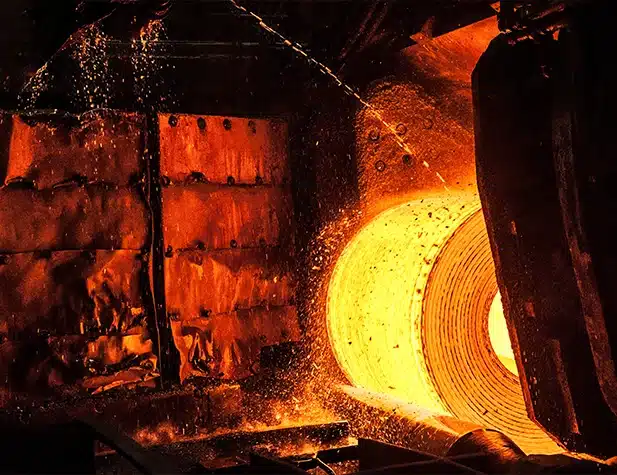
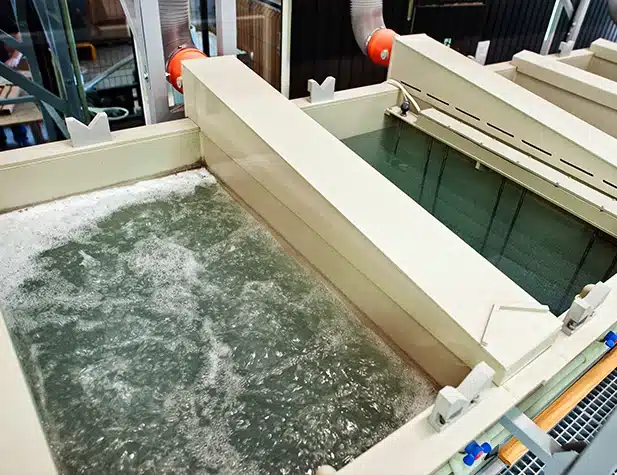
Steel pickling operations generate spent acid streams containing dissolved metals (iron, chromium, nickel) and metal hydroxide precipitates. Direct disposal is costly, while acid replacement represents a significant ongoing chemical expense for your mill.
Traditional approaches include chemical precipitation for dissolved metals and acid disposal when contamination levels exceed acceptable limits. Membrane filtration removes suspended metal hydroxides and particulates, enabling acid reconcentration and reuse while reducing chemical purchasing and hazardous waste generation.
ALSYS’ Track Record
ALSYS ceramic membrane systems treat spent pickling acids, removing metal precipitates and suspended solids while maintaining acid concentration for process return. Installations handle sulfuric acid, hydrochloric acid, and mixed-acid systems across hot and cold-rolling operations.
These systems help pickling operations reduce chemical consumption by 40-70% and decrease hazardous waste volumes and treatment costs at your mill.
Related Solutions
Related Applications
Overview
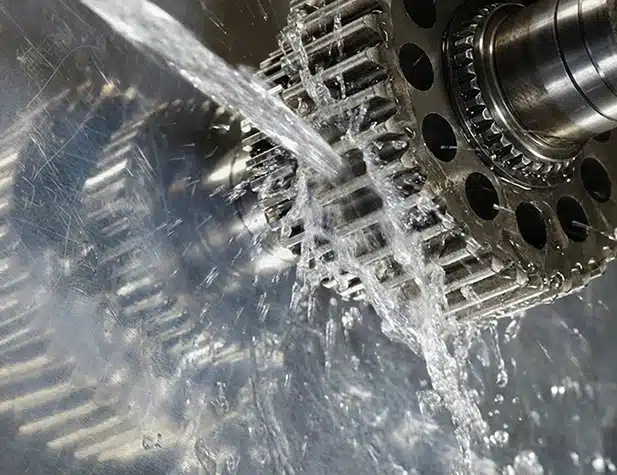
Steel mills require reliable process water for cooling systems, hydraulic equipment, and process dilution. Water quality impacts equipment performance, corrosion rates, and deposit formation. Membrane polishing removes suspended solids, bacteria, and colloidal material that contribute to fouling and scaling.
Variable water sources, seasonal quality changes, and recycled water integration require treatment systems adapting to chemistry fluctuations while maintaining consistent permeate specifications for your mill applications.
ALSYS’ Track Record
ALSYS membrane systems polish makeup water, treat recycled streams, and support water closure initiatives across steel operations. Installations demonstrate reduced scaling, improved heat transfer efficiency, and extended equipment life through consistent water quality.
These systems help mills reduce makeup water consumption, lower treatment chemical costs, and improve operational reliability in your facility.
Related Solutions
- Kleansep™ and Polymeric membranes for polishing and fine solids removalre
- Complete support by ALSYS Engineering
Related Applications
Overview
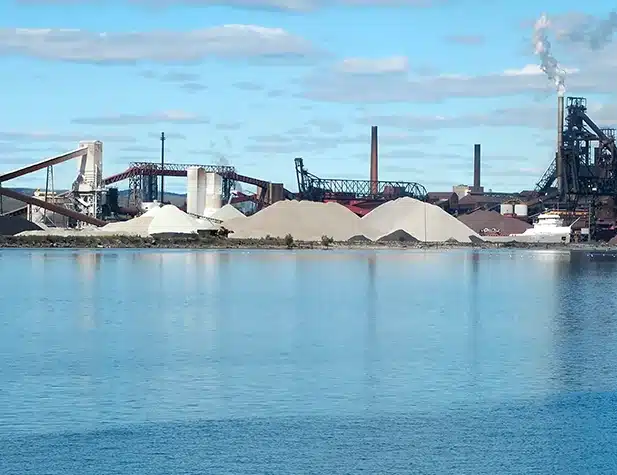
Steel mill facility drainage contains oils from equipment leaks, metal fines from production areas, and process chemicals from spills and washdown operations. Stormwater runoff picks up similar contamination from outdoor storage and production areas.
Environmental regulations require treatment before discharge, particularly for oil and grease, suspended solids, and metals. Membrane systems provide reliable clarification despite variable flow rates and contamination levels typical of facility drainage in your mill.
ALSYS’ Track Record
ALSYS membrane systems treat facility drainage and contaminated stormwater across steel operations. Systems manage flow variability while maintaining compliance with discharge limits for oil, solids, and metals.
These installations help mills maintain environmental compliance while managing unpredictable drainage volumes and contamination levels in your facility.
Answers to Common Steel Mill Water Treatment Challenges
Steel operations face complex oily water, acid recovery, and process water challenges across rolling, pickling, and finishing processes. The questions below highlight where membrane technologies deliver the most significant impact and how ALSYS helps improve water quality, reduce costs, and support environmental compliance.
Rolling emulsions contain surfactants, creating stable oil-in-water emulsions that resist gravity separation and foul conventional filters. Ceramic membranes maintain stable flux through crossflow operation and physical barrier separation, consistently removing emulsified oils to below 1 ppm regardless of emulsion chemistry or concentration. Their tolerance for high-pH cleaning enables aggressive protocols that restore flux and maintain long-term performance despite the accumulation of oil and metal fines. Mills achieve reliable water reuse quality while reducing freshwater consumption and wastewater treatment costs in your facility.
Yes. Membrane filtration removes metal hydroxide precipitates and suspended solids from spent pickling acids, producing clarified acid suitable for evaporative reconcentration or direct reuse, depending on metal loading. Ceramic membranes resist pH below 1 and withstand the elevated temperatures typical of pickling operations, maintaining stable flux throughout production campaigns. Mills reduce acid purchasing by 40-70% while decreasing hazardous waste disposal volumes, achieving payback periods typically under 24 months in your operation.
Minimal. Ceramic membranes tolerate oils, surfactants, metal fines, and process chemicals without extensive pretreatment. Most installations require only coarse screening above 1 mm to prevent large debris from entering the system. Unlike polymeric membranes requiring tight pH and temperature control, ceramic systems handle operational variability typical of steel mill drainage and rolling emulsions. This simplifies integration, reduces chemical consumption, and lowers operator burden in your facility.
Water closure requires treating diverse streams, including rolling mill wastewater, cooling tower blowdown, and facility drainage, to meet quality specifications that enable reuse. ALSYS membrane systems handle this variability, producing consistent permeate quality suitable for cooling systems, process dilution, and other non-critical applications. By enabling reuse across multiple mill functions, membrane systems reduce freshwater consumption by 50-80% while reducing wastewater discharge volumes and advancing your facility’s closure targets.
Explore The Solutions That Best Match Your Water Treatment Challenge
Find the membrane technologies that best address your mill’s water quality and reuse targets.