
Improving Efficiency Across Pulp and Paper Mills
Pulp and paper mills face mounting pressure to reduce water consumption, lower chemical costs, and meet stricter environmental regulations. Reliable separation and emissions control have become essential for maintaining production efficiency while managing sustainability commitments.
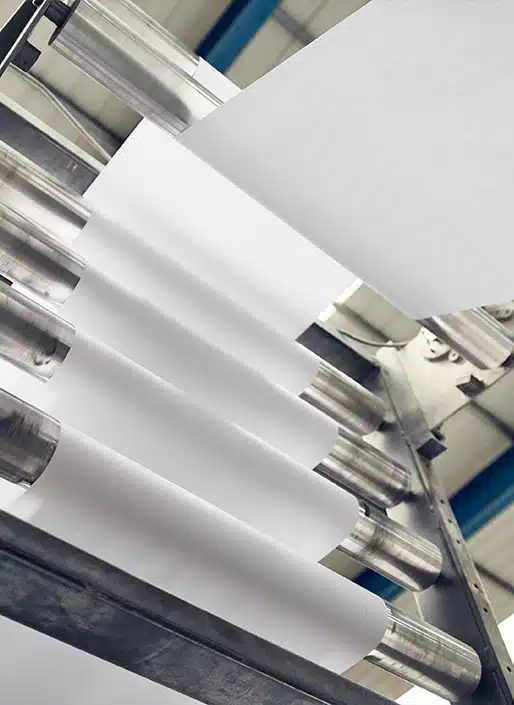
Pulp and paper mills face mounting pressure to reduce water consumption, lower chemical costs, and meet stricter environmental regulations. Reliable separation and emissions control have become essential for maintaining production efficiency while managing sustainability commitments.
ALSYS delivers membrane and catalyst solutions designed for the harsh chemical and thermal conditions common in pulp and paper operations, helping mills stabilize performance, reduce operating costs, and extend the productive life of existing treatment infrastructure.
How ALSYS Strengthens Pulp and Paper Operations
Pulp and paper facilities demand separation and emissions technologies that maintain reliable performance under extreme pH, elevated temperatures, and continuously variable process conditions. ALSYS combines chemical-resistant materials, mill-specific application expertise, and lifecycle support to help operators improve recovery efficiency, reduce treatment costs, and protect downstream assets.
Caustic Recovery and Black Liquor Polishing
Ceramic membranes maintain stable flux in high-pH, lignin-rich streams, enabling caustic recovery and makeup reduction while removing suspended solids that interfere with downstream evaporation and chemical recovery processes.
White Water Clarification for Improved Runnability
Membrane systems remove fines, fiber fragments, and colloidal material from white water loops, reducing deposit formation on paper machines and improving sheet quality in your mill.
Emissions Control for Recovery Boilers and Lime Kilns
Environmental catalysts help mills meet NOx and VOC targets with stable, long-life performance in high-temperature, high-particulate exhaust environments typical of recovery boilers, lime kilns, and power boilers.

Support From Feasibility Through Long-Term Operation
ALSYS engineers assist with pilot testing, system design, commissioning, and lifecycle optimization to ensure sustained, predictable performance in your mill environment.
Where ALSYS Technologies Add Value Across Pulp and Paper
Pulp and paper mills manage complex process streams, aggressive chemistries, and strict environmental requirements. The segments below outline the major operational areas where ALSYS technologies improve reliability, efficiency, and compliance in your facility.
Overview
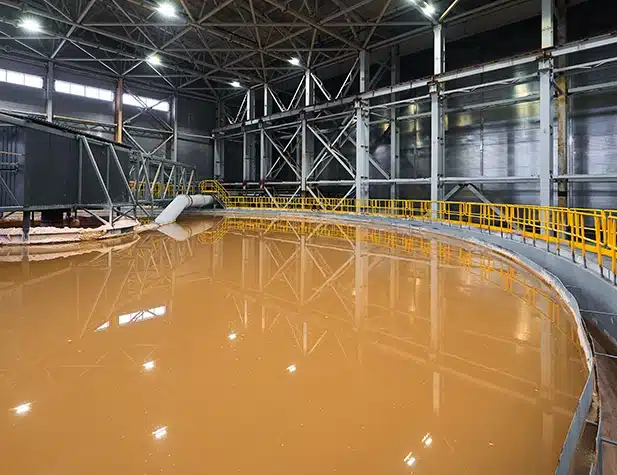
Chemical recovery operations manage black liquor, green liquor, white liquor, and caustic streams containing lignin, suspended solids, and dissolved organics. Mills must remove particulates before evaporation, recover caustic from wash streams, and maintain chemical balance across the recovery cycle despite variations in pulp quality and production rate.
High pH, elevated temperatures, and organic loading challenge conventional clarification equipment. Mill operators require systems that tolerate aggressive conditions, handle variable solids loading, and maintain predictable performance across production swings in your facility.
ALSYS’ Track Record
ALSYS provides ceramic membrane technologies engineered for the extreme pH and temperature conditions in chemical recovery operations. These solutions help mills stabilize caustic recovery, reduce chemical makeup costs, and minimize fouling in downstream evaporators.
These capabilities allow chemical recovery operations to reduce chemical purchasing, improve evaporator efficiency, and meet environmental discharge requirements in your mill.
Related Solutions
Related Applications
Overview
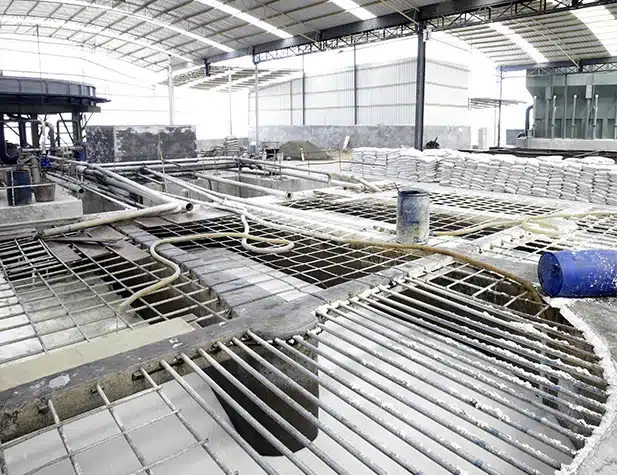
White water systems in paper machines contain fiber fines, fillers, retention aids, and colloidal material that accumulate through recirculation. This material causes deposit formation on felts and fabrics, reduces drainage performance, and impacts sheet quality. Mills must clarify white water to maintain runnability while maximizing fiber recovery.
Variable production rates, grade changes, and fiber furnish variations create fluctuating solids loading and chemistry. Operators need clarification systems that adapt to these changes while maintaining consistent permeate quality for shower water and process dilution in your mill.
ALSYS’ Track Record
ALSYS membrane systems clarify white water streams across kraft, sulfite, and recycled fiber operations. Installations demonstrate improved sheet quality, reduced deposit formation, and enhanced machine runnability through consistent fines removal.
These technologies help paper machines maintain stable drainage, reduce deposit-related breaks, and improve overall equipment effectiveness in your mill.
Related Solutions
White water treatment requires reliable solids removal across variable flow rates and furnish changes. The solutions below support paper machine performance and water closure initiatives.
Related Applications
Overview
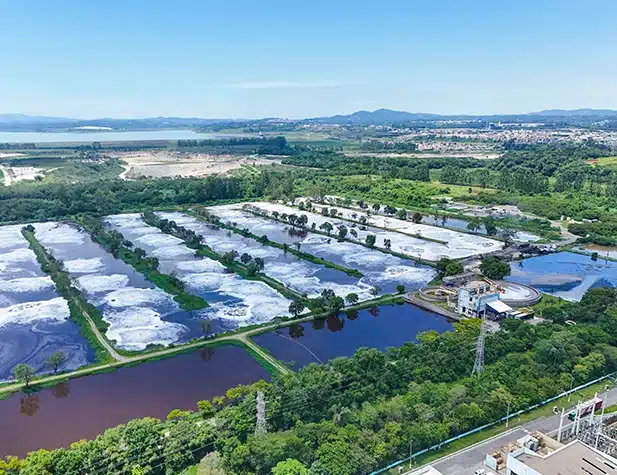
Pulp and paper mills generate effluent from pulping, bleaching, washing, and coating operations containing suspended solids, dissolved organics, and residual chemicals. Discharge permits impose strict limits on BOD, COD, TSS, and toxicity, while water scarcity drives interest in reuse and closure initiatives.
Biological treatment addresses dissolved organics but produces biosolids requiring clarification. Membrane systems provide final polishing for discharge compliance or enable water reuse in non-critical applications, reducing freshwater consumption in your mill.
ALSYS’ Track Record
ALSYS membrane technologies support effluent polishing and water reuse initiatives across pulp and paper operations. Systems treat biological treatment effluent, clarify fiber-recovery streams, and support water-closure strategies.
These installations help mills meet discharge requirements, reduce water consumption, and support environmental sustainability commitments.
Related Solutions
Related Applications
Overview
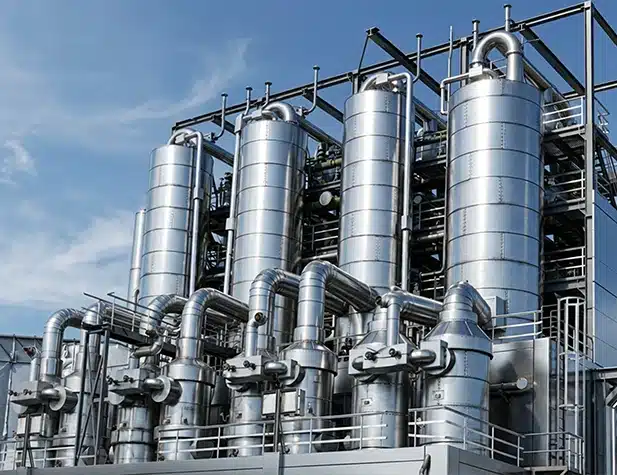
Recovery boilers and lime kilns generate NOx and particulate emissions from the combustion of black liquor and limestone calcination. Environmental regulations impose strict limits on air emissions, requiring mills to install and maintain effective emissions control technologies.
High exhaust temperatures, particulate loading, and variable fuel chemistry challenge catalyst performance and system reliability. Mills require emissions control solutions that maintain operational performance through temperature swings and fuel variations typical of your facility’s recovery operations.
ALSYS’ Track Record
ALSYS catalysts support emissions compliance across recovery boilers, lime kilns, and power boilers in pulp and paper mills. Systems maintain stable NOx reduction despite high particulate loading and temperature variability.
These technologies help mills achieve emissions compliance while maintaining recovery boiler efficiency and lime production rates.
Related Solutions
Recovery boiler and lime kiln emissions control requires catalysts tolerating high temperatures, particulate loading, and fuel variability. The solutions below address mill air quality requirements.
Related Applications
Answers to Common Pulp and Paper Treatment Challenges
Pulp and paper operations face complex chemical recovery, water clarification, and emissions challenges across kraft, sulfite, and recycled fiber processes. The questions below highlight where membrane and catalyst technologies deliver the greatest impact and how ALSYS helps improve reliability, compliance, and overall mill performance.
Caustic recovery streams operate at pH 12-14 with elevated temperatures and significant lignin and suspended solids content. Traditional clarification struggles with these conditions, leading to inconsistent caustic purity and increased chemical makeup costs. Ceramic membranes maintain stable flux and separation performance despite extreme pH, high temperatures, and organic loading, enabling mills to recover more caustic while reducing chemical purchasing. Their tolerance for aggressive cleaning protocols ensures consistent performance across production campaigns in your mill.
White water clarification must balance solids removal with system reliability—any downtime directly impacts paper machine productivity. ALSYS membrane systems operate continuously with automated backwash cycles that maintain flux without interrupting white water flow. Installations across kraft and recycled fiber mills demonstrate improved shower water quality, reduced deposit formation on felts and fabrics, and enhanced drainage performance. Systems adapt to grade changes and furnish variations while delivering consistent permeate quality for your paper machine.
Recovery boiler exhaust contains high particulate loading, variable temperatures, and combustion products from black liquor that challenge catalyst performance and longevity. ALSYS SCR catalysts are engineered for high-dust applications, maintaining NOx reduction activity despite particulate exposure and temperature swings typical of recovery boiler operation. They integrate with existing boiler controls and support compliance with air quality regulations while preserving recovery boiler efficiency in your mill.
Water closure requires reliable polishing of effluent streams to meet quality specifications for process reuse while managing dissolved organics and residual chemistry. ALSYS membrane systems treat biological effluent and fiber recovery streams, producing water suitable for cooling systems, process dilution, and non-critical applications. By enabling reuse, mills reduce freshwater consumption, lower wastewater discharge volumes, and progress toward closure targets while maintaining production flexibility in your facility.
Explore The Solutions That Best Match Your Separation or Emissions Challenge
Find the membrane or catalyst technologies that best address your mill’s performance targets.