
Reliable Performance for Abrasive, High-Solids, and Chemically Harsh Mining Processes
Mining applications involve extreme feed variability, elevated solids content, corrosive chemistries, and continuous operation requirements. ALSYS addresses these challenges through three integrated capabilities:
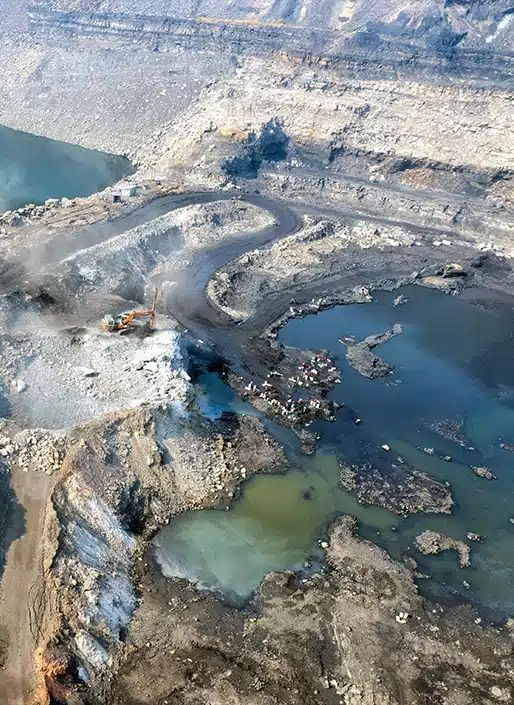
ALSYS Engineering (formerly ClearBakk) engineers turnkey treatment systems integrating pretreatment, membrane filtration, chemical dosing, and automation, delivered as skid-mounted units ready for remote installation.
ALSYS Membrane & Filtration Technologies provides ceramic and polymeric separation platforms withstanding abrasion, aggressive cleaning, and harsh chemistries common to mining process water and chemical recovery applications.
ALSYS Catalysts & Emission Control reduces NOx, VOCs, and combustion emissions from onsite power generation and thermal processing units.
This value-chain integration ensures reliable performance from feasibility testing through decades of operational support, with systems designed for cold climates, variable power quality, and minimal operator intervention.
ALSYS Expertise at a Glance
ALSYS's core competencies and engineered solutions are designed to deliver durability and predictable performance across the most challenging mining processes.
Durable filtration for abrasive and high-solids streams
Ceramic membranes offer resistance to wear, fouling, and repeated CIP cycles. Modular skid-mounted designs enable deployment at remote mine sites with minimal civil work and quick installation timelines.
Support for process chemical purification
Membranes and catalysts enable solvent recovery, acid handling, and contaminant separation. Systems integrate with existing mine PLC/SCADA infrastructure for centralized monitoring and automated operation with minimal operator intervention.
Water reuse and wastewater treatment
Ultrafiltration and microfiltration treat mine water, tailings water, and process effluent. Turnkey systems include pretreatment, membrane filtration, chemical dosing, and controls, engineered for reliable performance in cold-weather conditions and variable power quality typical of remote operations.
Emissions control for onsite power and processing units
Catalysts reduce NOx, VOCs, and other pollutants from thermal or combustion-based equipment. Complete oxidation systems delivered on skids with automated temperature control and remote diagnostics capability for mines with limited technical staff.
Applications in Mining
ALSYS technologies are deployed across key areas of mining operations to improve efficiency, manage resources, and ensure environmental compliance.
Overview
Mining operations produce process water with suspended solids, clays, mineral fines, flotation reagents, and organic matter that must be treated before it can be reused or discharged. Because water quality varies with ore type, reagent use, and process conditions, treatment systems must be reliable and adaptable to different feed streams.
Good water treatment processes help mines use less freshwater, reduce discharge volumes, and meet environmental rules. Reusing water is especially important for mines in areas with limited freshwater supplies, which can restrict production.
ALSYS’ Track Record
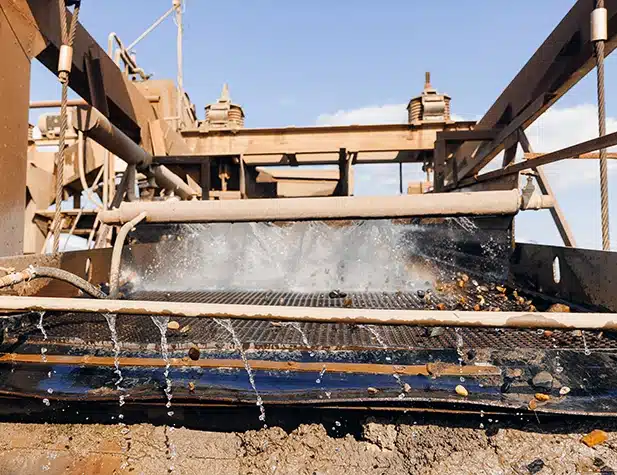
ALSYS provides complete water treatment systems for mining that combine polymer dosing, flocculation, membrane filtration, and process controls. Our systems treat tailings water, flotation circuit overflow, and process return streams at mines worldwide.
Our pretreatment design uses polymer hydration systems and flocculation tanks tailored to mine water chemistry. By carefully adding polymers, we help particles settle and reduce membrane fouling. Flocculation removes most solids before the water reaches the membranes. This approach improves membrane performance and lowers chemical use.
Kleansep ceramic membranes are built to handle abrasive mineral fines and changing levels of solids, which are common in mining water. The systems run continuously and use automated backwashing and chemical cleaning to maintain stable water quality for reuse in flotation circuits, dust control, and other non-drinking applications.
ALSYS Engineering handles system design, equipment sourcing, construction management, and support during startup. We make sure our treatment systems integrate with your existing mine water setup, so installation is quick, and startup is reliable.
Related Solutions
Related Applications
Overview
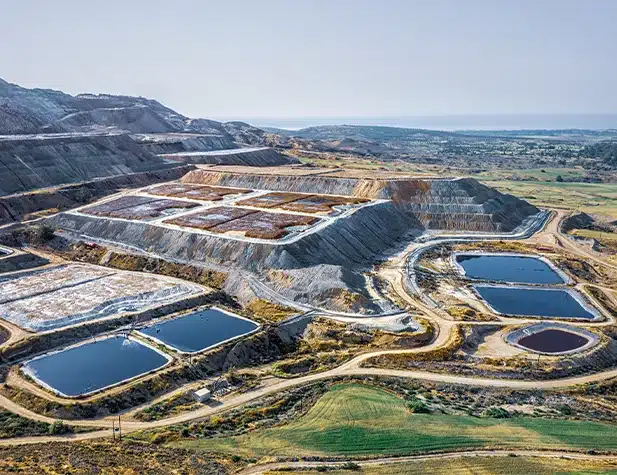
Tailings water is a byproduct of the mining process, characterized by a variable mix of solid particles, residual chemicals from flotation processes, and extremely fine particulates. The composition of this water necessitates careful management to mitigate environmental impact and support operational efficiency.
Effective and consistent separation of these components is crucial for water management. Achieving high-quality water separation maximizes the potential for water reuse in the mining operation, reducing overall water consumption and improving sustainability. Furthermore, reliable separation is essential to meet stringent regulatory requirements for discharge quality.
ALSYS’ Track Record
Ceramic membranes are highly effective in separation processes, particularly for challenging industrial applications. They are known for their robustness, operating efficiently even under high particle loading in the feed stream. This durability enables them to maintain consistent performance over extended periods, making them a reliable choice for demanding filtration applications.
A key advantage of ceramic membranes is their ability to withstand frequent, aggressive cleaning protocols. This capacity for thorough cleaning means that any decline in flux (the rate of flow through the membrane) due to fouling can be effectively reversed. Consequently, ceramic membranes consistently restore high performance, ensuring long-term operational efficiency even when processing difficult feed materials that would rapidly degrade other membrane types.
Related Solutions
Related Applications
Overview
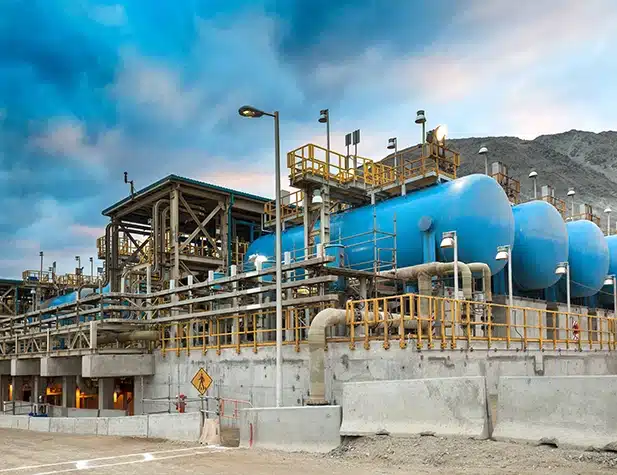
Leaching, solvent extraction, and refining processes in mining inherently generate complex aqueous streams containing various acids, solvents, and specialized reagents. To ensure operational efficiency, reduce environmental impact, and maximize resource utilization, these valuable components must be effectively recovered or purified. This necessity drives the integration of sophisticated separation and regeneration technologies into the overall metallurgical flowsheet.
The recovery and purification of these materials often involve techniques such as membrane filtration, ion exchange, and distillation. The specific choice of method depends on the nature of the solute (e.g., sulfuric acid, various amines, or organic solvents), its concentration, and the required purity level for reuse. Successful implementation of these recovery stages significantly contributes to the economic and environmental sustainability of modern mining operations.
ALSYS’ Track Record
Hybsi pervaporation membranes offer an excellent solution for solvent dehydration, supporting efficient separation processes. These specialized membranes are designed to selectively remove water from organic solvents, making them valuable in various chemical and industrial applications where solvent purity is crucial.
Furthermore, ceramic membranes are distinguished by their robustness, particularly their ability to withstand challenging conditions. Their composition allows them to operate effectively in acidic streams and environments involving aggressive chemistries, ensuring longevity and reliable performance where polymer membranes may fail.
Related Solutions
Related Applications
Overview
Mining sites often rely on thermal units, boilers, or combustion engines, each of which requires emissions reductions to meet air quality standards. These operations are critical to the extraction process but present significant environmental challenges due to the combustion byproducts released into the atmosphere. Regulatory compliance requires implementing various technologies and strategies to mitigate harmful emissions.
Effective emissions control is paramount not only for legal adherence but also for maintaining a social license to operate within affected communities. The adoption of advanced scrubbing, catalytic reduction, or fuel-switching technologies helps minimize the release of pollutants like particulate matter and nitrogen oxides. Investing in these sustainable practices is essential for the long-term viability and public perception of the mining industry.
ALSYS’ Track Record
SCR (Selective Catalytic Reduction) and VOC (Volatile Organic Compound) oxidation catalysts are effective emission-control technologies for industrial applications, including mining. SCR systems are specifically designed to reduce nitrogen oxide (NOx) emissions by injecting a reductant, such as ammonia or urea, into the exhaust gas stream. This mixture then passes over the catalyst, converting the harmful NOx into benign nitrogen and water vapor.
In parallel, VOC oxidation catalysts target and destroy organic emissions, converting them into carbon dioxide and water vapor via chemical reactions. A key advantage of both SCR and VOC catalysts is their potential for straightforward integration into existing industrial equipment and exhaust systems. This allows operations to upgrade their environmental compliance without requiring extensive, costly overhauls of their current infrastructure.
Related Solutions
Related Applications
Technical Resources for Mining Applications
Explore resources detailing the value ALSYS can bring to your mining operations.
Frequently Asked Questions
Here are answers to some of the most common questions about ALSYS separation technologies and their application in mining environments.
Yes. Ceramic materials withstand erosion from sand, mineral fines, and solids that quickly damage polymeric membranes. Ceramic membrane elements keep their structure and filtration ability even after thousands of hours in abrasive slurries, tailings, and process water.
Yes. Ceramic membranes handle chemicals across the full pH range, including strong sulfuric acid used in copper processing and acidic streams in rare earth extraction. Acid-resistant housings, such as titanium or Hastelloy, make the entire system compatible with harsh leach solutions.
Yes. Modular skid-mounted systems are easy to transport to remote sites and can be installed without major construction. They run automatically and require little operator attention, which helps when technical staff are limited. These systems work well even in tough conditions like extreme temperatures and unstable power.
Yes. Membrane treatment lets you reuse process water by removing solids, dissolved metals, and other contaminants, so the water can be returned to operations. This reduces freshwater use, lowers discharge, and helps mines in areas with scarce water.
Enhance Mining Efficiency With Reliable Separation Technologies
Reach out today to discuss your specific operational challenges and how our technologies can provide reliable performance.