
Reliable Separation for Complex Organic and Hydrocarbon Streams
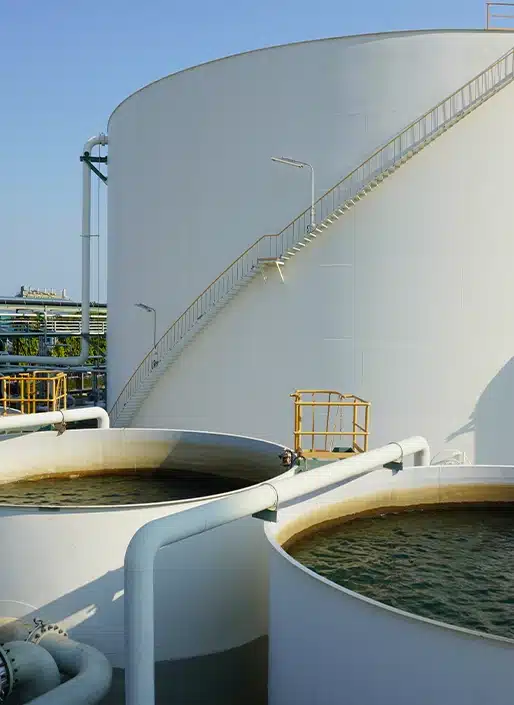
Petrochemical processes rely on consistent purification, dehydration, clarification, and emissions control. Many operations involve azeotropes, aggressive solvents, surfactants, or contaminants that limit the effectiveness of conventional separation methods. ALSYS technologies provide predictable, long-term performance across solvent recovery, product purification, wastewater treatment, and emissions control.
Ceramic membranes tolerate hydrocarbons, acids, caustics, and oxidizing agents. Polymeric membranes support stable polishing. Hybsi® pervaporation membranes enable azeotrope breaking and energy-efficient dehydration. Catalysts reduce NOx and VOC emissions across fired equipment and thermal units.
ALSYS Expertise at a Glance
ALSYS offers cutting-edge solutions for the petrochemical industry, leveraging specialized membrane and catalyst technologies to enhance efficiency, purity, and environmental compliance. Our expertise spans critical process areas, from optimizing solvent dehydration and filtration to advanced emissions control.
Solvent dehydration and azeotrope breaking
Pervaporation systems reduce energy use and improve product purity.
Durable filtration for aggressive chemical environments
Ceramic membranes tolerate solvents, hydrocarbons, and repeated high-temperature cleaning.
Stable operation under high fouling loads
Cross-flow systems and ceramic modules maintain flux with surfactant-rich or variable streams.
Emissions control for thermal and process heaters
SCR and VOC catalysts support NOx and emissions compliance in high-load environments.

Modular, scalable solutions for plant integration
Systems support retrofit, expansion, and debottlenecking without major infrastructure impact.
Applications in Petrochemical
Wastewater from petrochemical facilities is inherently complex. This complexity stems from the presence of a diverse range of contaminants, including surfactants, various organic compounds, and suspended solids. Practical and stable wastewater treatment is a critical operational requirement for these facilities.
Overview
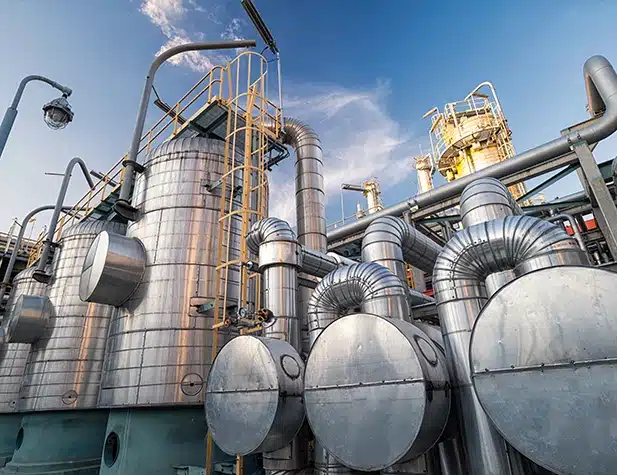
Many petrochemical solvents are prone to azeotrope formation or thermal degradation at elevated temperatures. Therefore, effective dehydration is a critical process for preserving the purity of the final product. It is also essential for optimizing subsequent reaction efficiency and achieving significant energy savings.
ALSYS’ Track Record
Hybsi® membranes are specifically engineered for robust performance in harsh chemical environments. They are capable of withstanding highly acidic and high-temperature conditions that would degrade conventional materials. This durability ensures reliable operation and longevity in demanding industrial applications.
A key advantage of Hybsi® is its outstanding resistance to a wide range of solvents. This solvent resistance is notably superior to what is typically offered by common polymeric membrane alternatives. Consequently, Hybsi® provides a more stable and resilient filtration solution for aggressive process streams.
Related Solutions
Related Applications
Overview
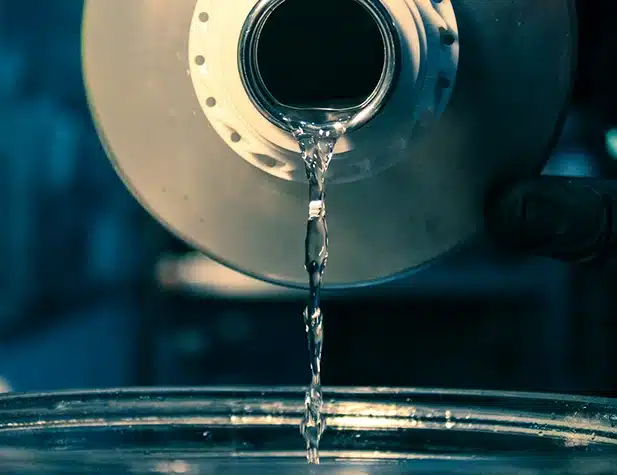
Consistent removal of trace impurities, particulates, and emulsions is essential for minimizing downstream fouling and improving product stability. This thorough purification process is a critical step in maintaining the efficiency of the entire operation. By addressing these contaminants early, we prevent a cascade of issues that can degrade final product quality.
Effective impurity management directly contributes to a more reliable and cost-efficient production system. High purity standards ensure that subsequent processing stages run smoothly without unexpected disruptions. Ultimately, this focus on clean product streams leads to superior finished goods that meet the highest industry specifications.
ALSYS’ Track Record
Ceramic and polymeric membranes are critical components in separation processes, offering robust support for fine clarification. These materials are particularly valued for their high resistance to aggressive chemistries commonly encountered across industrial product streams. This resilience ensures the filtration system’s longevity and stability even under harsh operating conditions.
The selection between ceramic and polymeric membranes often depends on the specific application’s requirements for temperature, pH, and solvent compatibility. Ceramic membranes generally provide superior thermal and chemical stability, making them suitable for the most demanding environments. Conversely, polymeric membranes offer a more cost-effective solution with excellent separation properties for less aggressive streams.
Related Solutions
Related Applications
Overview
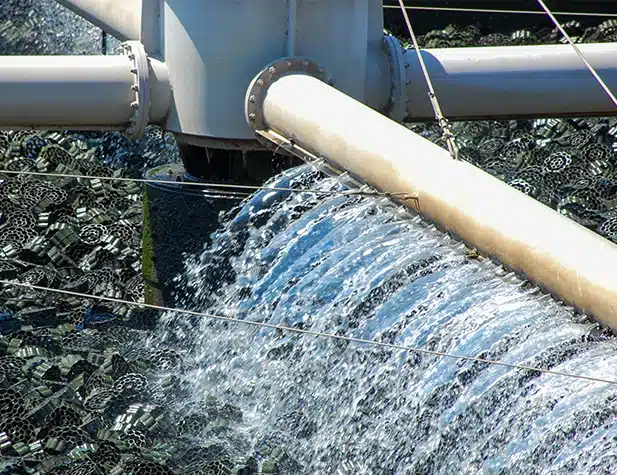
Wastewater from petrochemical facilities is inherently complex. This complexity stems from the presence of a diverse range of contaminants, including surfactants, various organic compounds, and suspended solids. Effective and stable treatment of this wastewater is a critical operational requirement for these facilities.
Achieving stable treatment is crucial for several key reasons. Primarily, it significantly reduces overall operational risk associated with environmental compliance and potential discharge violations. Furthermore, robust treatment enables facilities to pursue and implement industrial water reuse strategies. This commitment to stable therapy is essential for sustainable operations and resource management.
ALSYS’ Track Record
Kleansep ceramic membranes are engineered for consistent performance, reliably maintaining separation efficiency even when facing fluctuating operational loads. Their robust design ensures stability and predictable outcomes across various process conditions. This consistency is a key benefit, leading to more reliable processing and product quality.
A significant advantage of these membranes is their durability and resistance to harsh environments. They are specifically designed to withstand frequent and intensive cleaning cycles, which is critical for maintaining hygiene and maximizing throughput over the long term. This resilience minimizes downtime and contributes to a lower total cost of ownership.
Related Solutions
Related Applications
Overview
NOx and VOC controls are critical for compliance across fired equipment in petrochemical plants.
ALSYS’ Track Record
Environmental catalysts provide stable, long-life performance in high-temperature, contaminant-rich environments.
Related Solutions
Related Applications
Resources
Find detailed technical papers and data sheets related to our core technologies.
Frequently Asked Questions
Hybsi® membranes provide a robust pervaporation solution, especially in demanding environments. They are particularly advantageous in petrochemical settings where acidic or aggressive solvents might compromise the integrity of traditional polymeric membranes. This durability ensures consistent performance and longevity in challenging industrial processes.
Additionally, using these membranes for pervaporation offers an energy-efficient alternative for separating azeotropic mixtures. This method avoids thermal degradation, a common concern with high-temperature distillation. As a result, Hybsi® membranes offer both superior chemical resistance and process efficiency.
Ceramic membranes offer a long operational life due to their robust material properties. They exhibit strong resistance to a variety of harsh substances, including solvents, hydrocarbons, oxidants, and low-pH solutions. This inherent durability allows them to maintain performance in demanding industrial applications.
Furthermore, these membranes are designed to withstand rigorous maintenance procedures. They can tolerate repeated high-temperature cleaning cycles without degradation. This resilience ensures sustained, consistent filtration performance over time.
The ceramic durability and cross-flow configuration are key to ensuring consistent flux performance. This setup allows the system to maintain efficiency even when handling challenging feed materials. These materials often include complex mixtures such as surfactants, emulsions, and other compositions that can vary significantly.
This consistent performance is vital for reliable industrial processes. The robust nature of the ceramic elements resists breakdown from aggressive chemicals and physical stresses. Ultimately, this leads to a more stable and effective filtration or separation process across diverse applications.
Wastewater from petrochemical facilities is inherently complex. This complexity stems from the presence of a diverse range of contaminants, including surfactants, various organic compounds, and suspended solids. Effective and stable treatment of this wastewater is a critical operational requirement for these facilities. This section will explore the specific challenges and advanced treatment solutions employed within the petrochemical industry to manage this complex waste stream and ensure environmental compliance.Early removal of particulates is critical for optimizing downstream processing efficiency. Improved clarification, often achieved through advanced membrane systems, significantly reduces the concentration of unwanted solids. This proactive approach minimizes the fouling and stress on subsequent treatment stages.
Reducing particulate load extends equipment lifespan and improves performance in distillation units, extraction systems, and final polishing filters. The result is a more stable and cost-effective overall process. Starting with cleaner liquid enables the entire system to operate more smoothly and reliably.
Catalysts for Selective Catalytic Reduction (SCR) are essential components in pollution control systems, playing a crucial role in mitigating harmful nitrogen oxide (NOx) emissions. These catalysts work by facilitating a chemical reaction that converts NOx into harmless nitrogen and water vapor, significantly reducing the environmental impact of combustion sources. Their deployment is key to meeting increasingly strict air quality regulations worldwide.
In addition to NOx reduction, other specialized catalysts are employed to address different pollutants. VOC oxidation catalysts, for instance, are specifically designed to treat volatile organic compound (VOC) emissions. These catalysts promote the combustion of organic compounds, converting them into less harmful carbon dioxide and water, thereby tackling another major category of organic emissions from combustion processes.
Pilot units are crucial tools for validating various processes before full-scale implementation. They allow engineers to test key procedures using actual streams from the plant. This real-world testing is vital for ensuring the reliability and efficiency of the overall operation.
Specifically, the pilot units are employed to assess critical performance metrics. These include the effectiveness of solvent recovery, the efficiency of the dehydration process, the performance of clarification, and the viability of different cleaning protocols. By validating these diverse processes, the pilot units help mitigate risks and optimize the plant design.
Membrane and catalyst systems offer seamless integration capabilities. They can be readily integrated into current piping, utility, and control infrastructures. This ease of implementation is vital for supporting existing operations.
The integration of these systems is designed to achieve specific goals within the existing framework. They can support debottlenecking processes. Furthermore, the integration can significantly enhance overall efficiency.
Improve Separation Efficiency and Emissions Control in Petrochemical Operations
Discover our innovative solutions to enhance performance and meet regulatory standards.